Our Medical Services
A comprehensive range of specialist gastroenterology & liver services
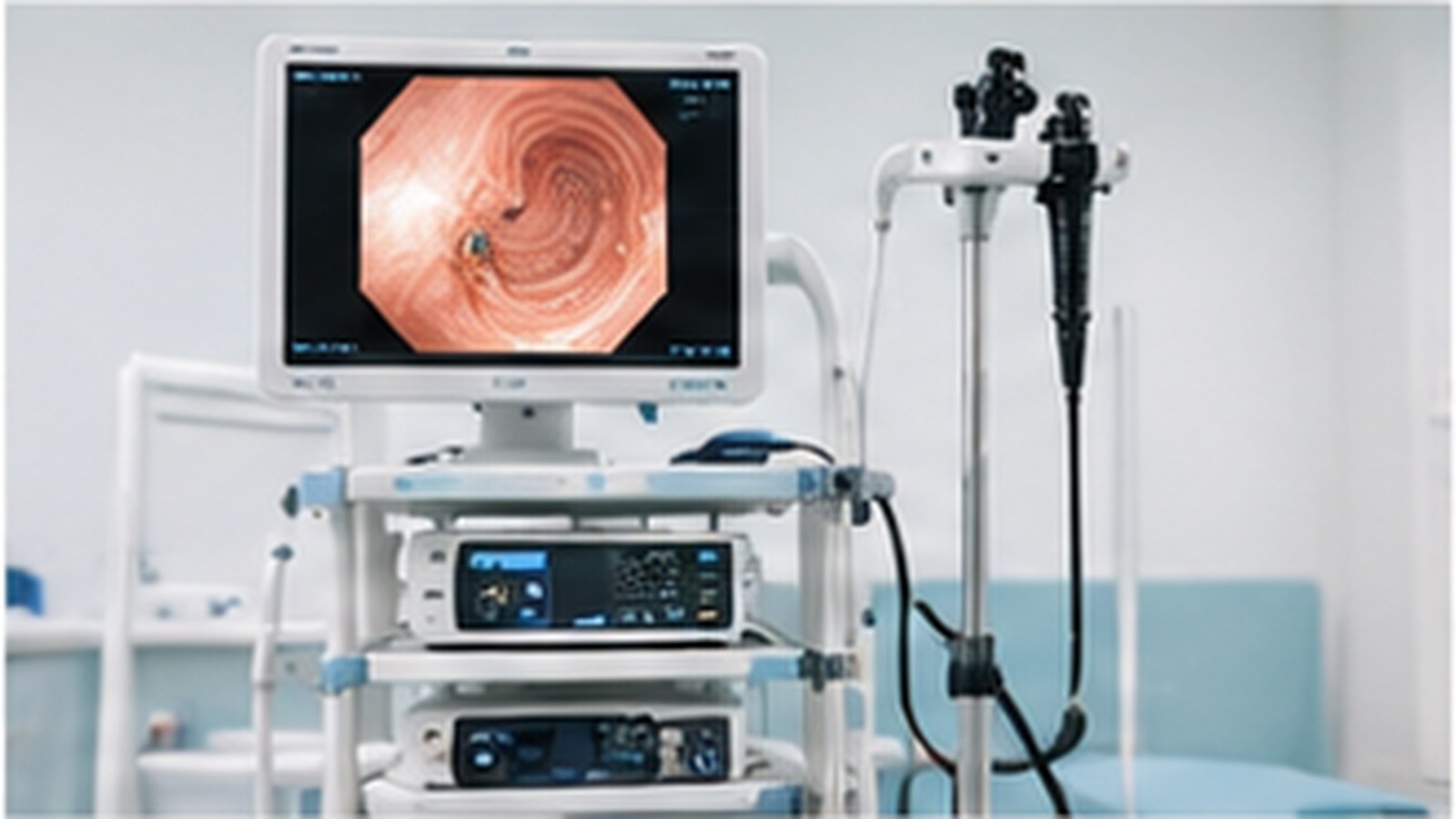
Stomach & Colon Endoscopy
Endoscopy is a simple, safe procedure where a thin, flexible tube with a tiny camera (called an endoscope) is gently passed through your mouth or rectum to look inside your digestive system. It helps the doctor see the lining of your stomach, esophagus, or colon in real time on a screen — much more detailed than an X-ray.
Learn more →
H. Pylori Testing & Treatment
H. pylori (Helicobacter pylori) is a common type of bacteria that infects the stomach lining. Many people carry it without symptoms, but it can cause stomach ulcers, chronic gastritis, and even increase the risk of stomach cancer if left untreated. The good news: it's easy to test for and very treatable.
Learn more →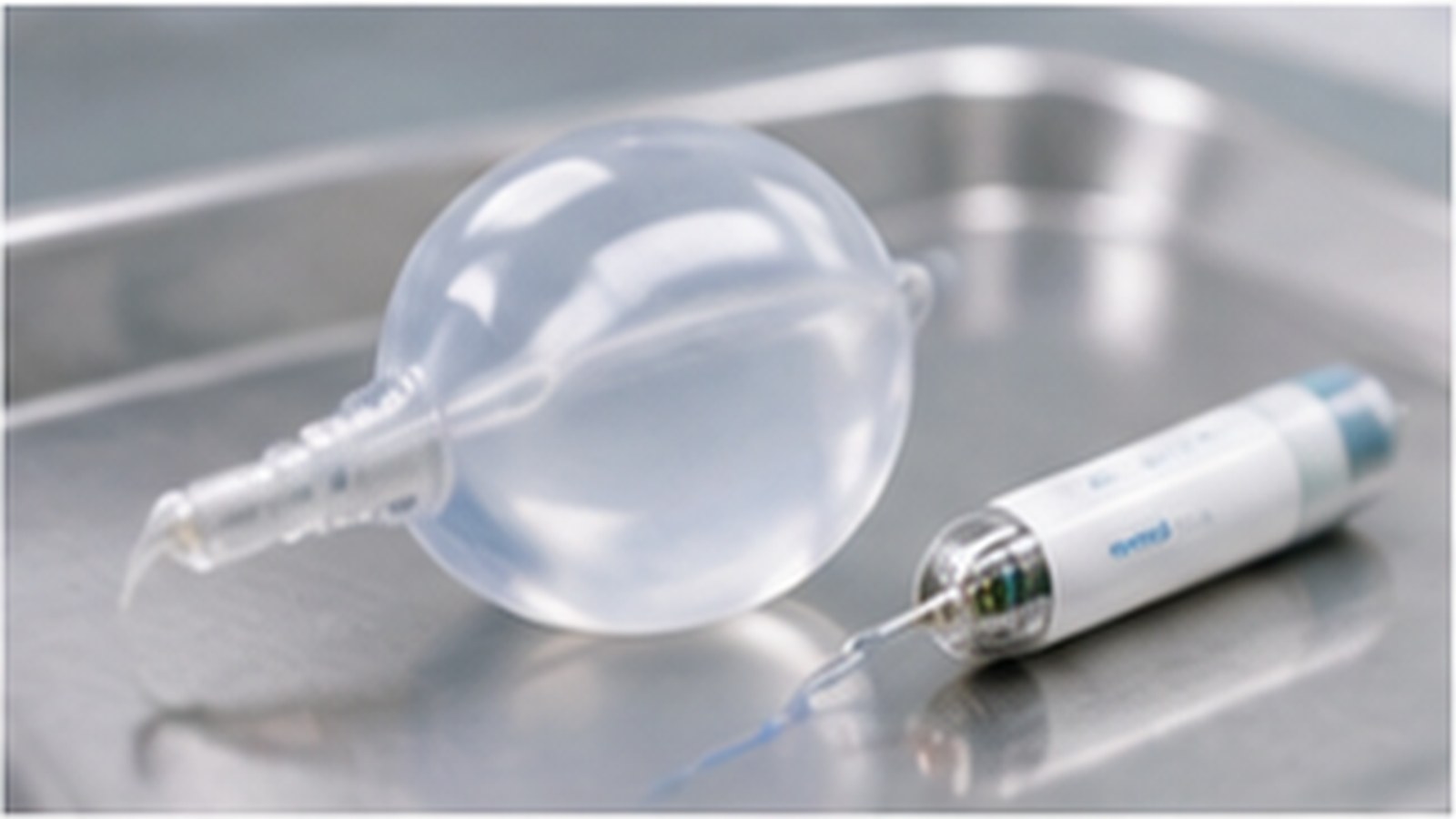
Gastric Balloon
A gastric balloon is a non-surgical weight loss procedure. A soft silicone balloon is placed inside your stomach through your mouth (no cuts or scars) and then filled with saline. It takes up space in your stomach so you feel full faster and eat less. Think of it as a temporary tool that helps you build healthier eating habits while you lose weight.
Learn more →
Colorectal Cancer Screening
Colorectal cancer screening is a set of tests designed to find cancer or pre-cancerous growths (polyps) in the colon and rectum before you have any symptoms. Colonoscopy is the most thorough screening — it lets the doctor see the entire colon and remove polyps on the spot, preventing cancer before it starts.
Learn more →
Celiac & Malabsorption
Celiac disease is an autoimmune condition where eating gluten (found in wheat, barley, and rye) triggers your immune system to attack the lining of your small intestine. This damages the villi (tiny finger-like projections) that absorb nutrients, leading to malabsorption — your body can't properly absorb vitamins, minerals, and other nutrients from food.
Learn more →
IBD: Colitis & Crohn's
Inflammatory Bowel Disease (IBD) includes two main conditions: Ulcerative Colitis (which affects the colon) and Crohn's Disease (which can affect any part of the digestive tract). In IBD, the immune system mistakenly attacks the digestive tract, causing chronic inflammation, pain, and damage. It's a lifelong condition, but with the right care, most patients live full, active lives.
Learn more →
SIBO Breath Testing
SIBO (Small Intestinal Bacterial Overgrowth) is a condition where too many bacteria grow in the small intestine, causing bloating, gas, diarrhea, and abdominal discomfort. The breath test is a simple, painless way to detect SIBO — you drink a sugar solution (lactulose or glucose) and breathe into a collection device at regular intervals. The gases in your breath tell us if bacteria are overgrowing in the wrong place.
Learn more →
Upper GI Manometry
Esophageal manometry (upper GI manometry) is a test that measures how well the muscles in your esophagus (food pipe) work when you swallow. A thin, flexible tube with pressure sensors is gently passed through your nose into your esophagus. It records the strength and coordination of muscle contractions as you take small sips of water.
Learn more →
Anorectal Manometry
Anorectal manometry measures the pressures and muscle coordination in your rectum and anal sphincter. A small, flexible catheter with a balloon tip is gently inserted into the rectum. It evaluates how well the muscles and nerves work together for normal bowel movements. This is the key test for understanding chronic constipation, fecal incontinence, and pelvic floor disorders.
Learn more →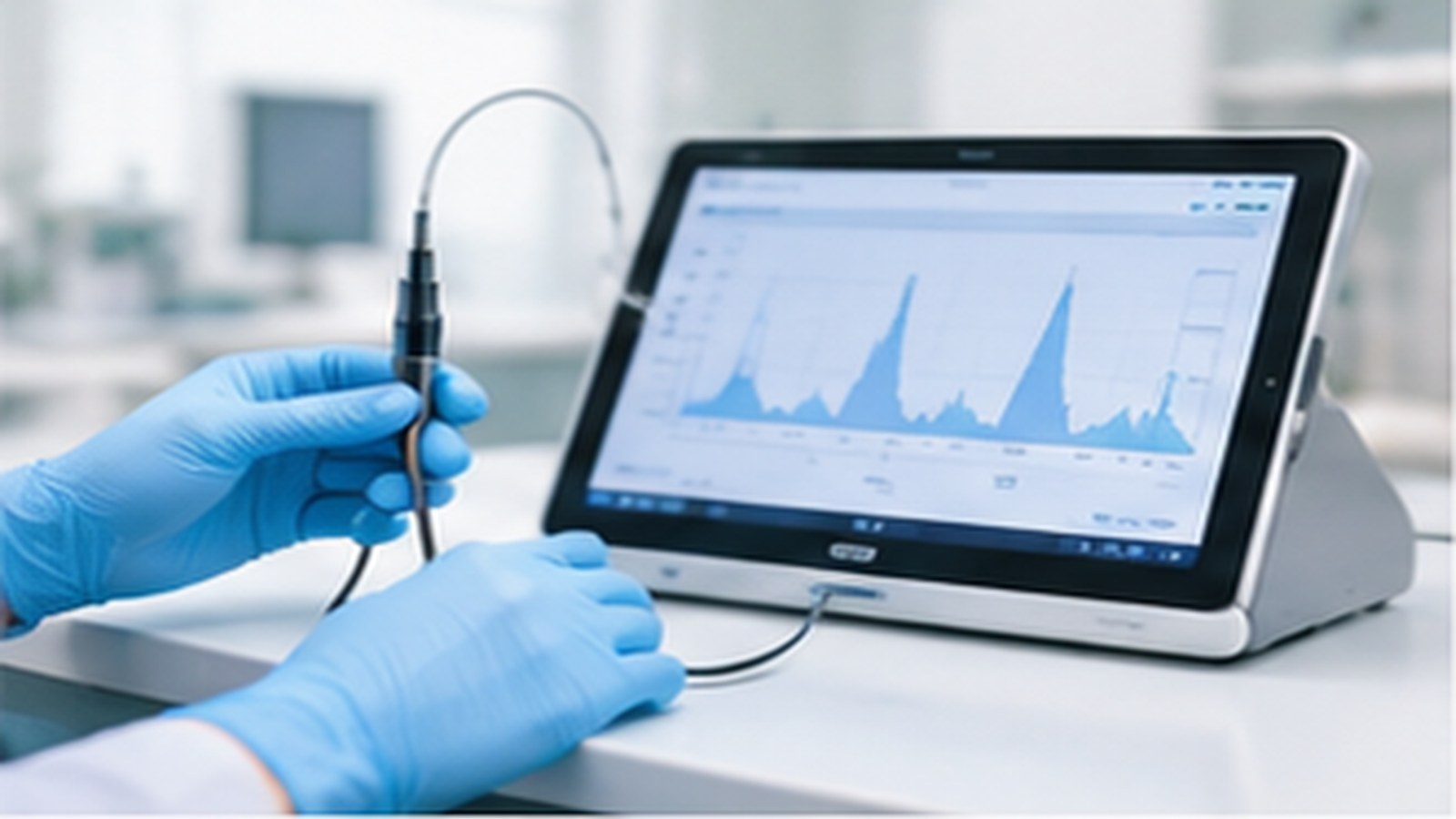
Biofeedback Therapy
Biofeedback is a non-invasive training technique that teaches you to control the muscles of your pelvic floor. Using a small sensor, you can see your muscle activity on a screen in real time and learn to coordinate them properly. It's like physical therapy for your bowel muscles — and it's one of the most effective treatments for chronic constipation caused by pelvic floor dysfunction and for fecal incontinence.
Learn more →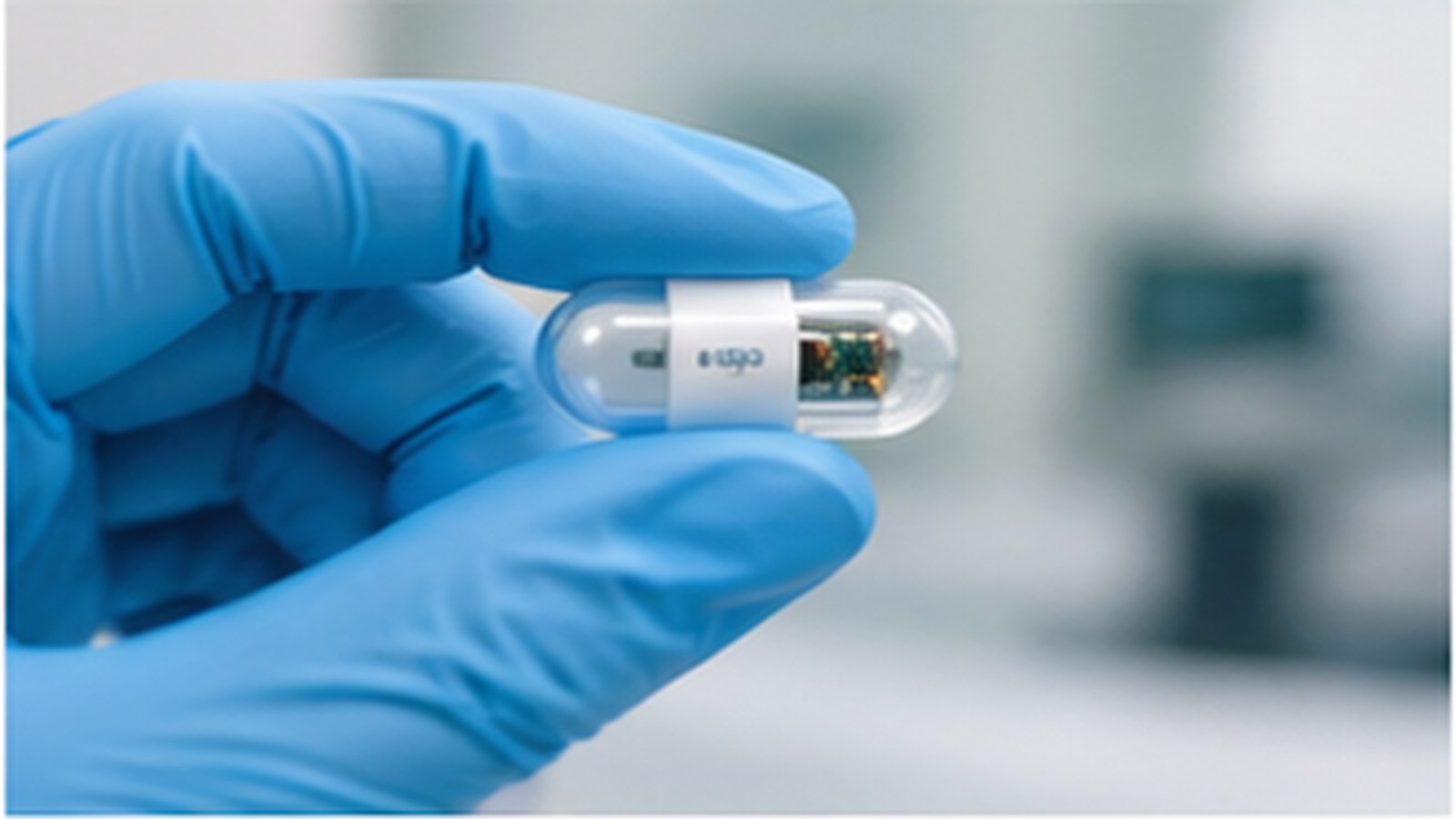
Small Bowel Capsule Endoscopy
Capsule endoscopy uses a tiny wireless camera the size of a large vitamin pill. You simply swallow it with water, and as it travels naturally through your digestive tract, it takes thousands of high-quality images of your small intestine — an area that's difficult to reach with standard endoscopes.
Learn more →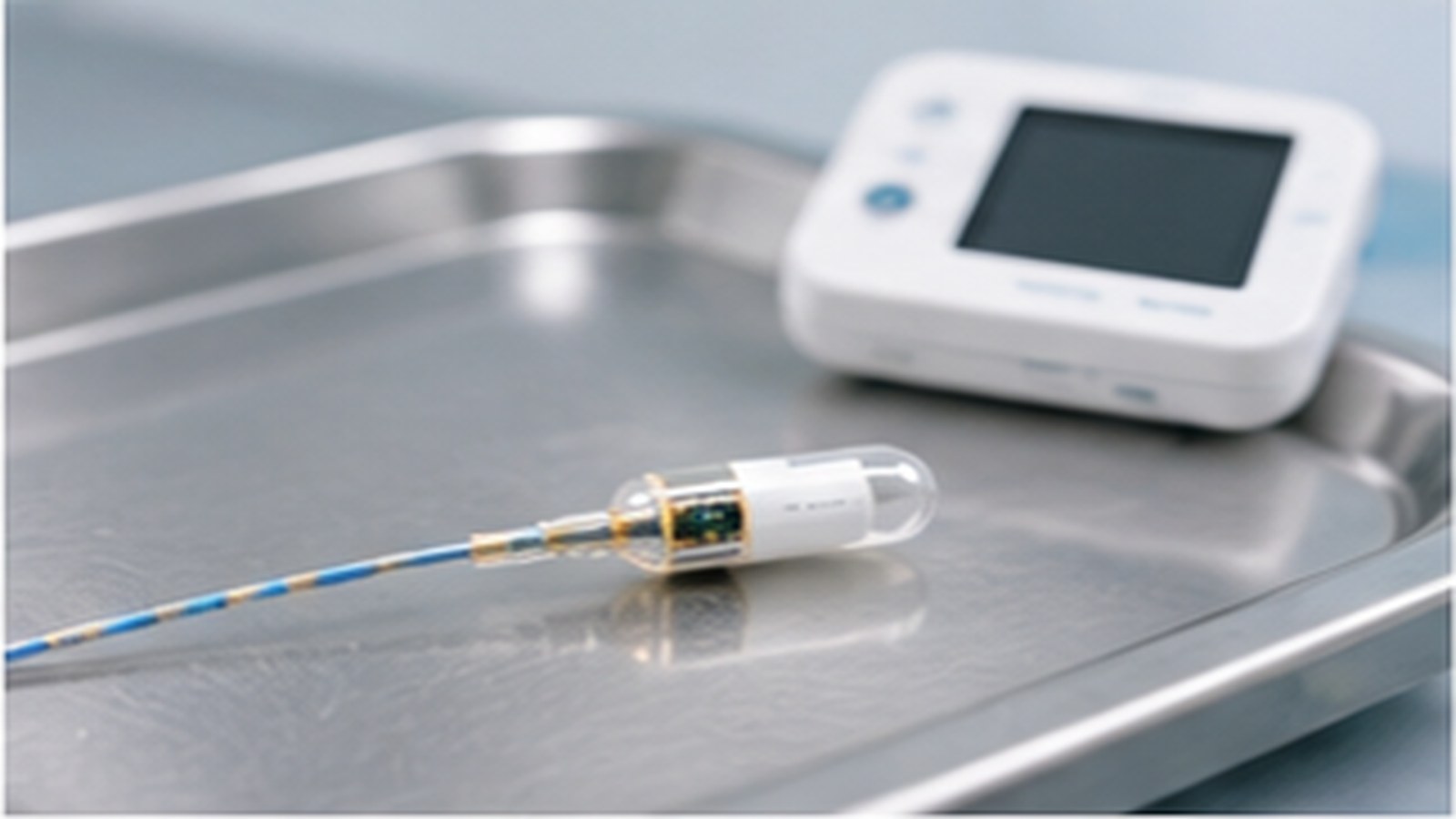
Wireless Capsule pH Monitoring (Bravo)
The Bravo capsule pH test is a wireless way to measure acid reflux. During a brief endoscopy, a tiny capsule is attached to the lining of your esophagus. For the next 48–96 hours, it wirelessly transmits acid measurements to a small recorder you carry. Unlike the traditional nasal probe, there's nothing in your nose or throat — so you can eat, drink, sleep, and go about your day normally.
Learn more →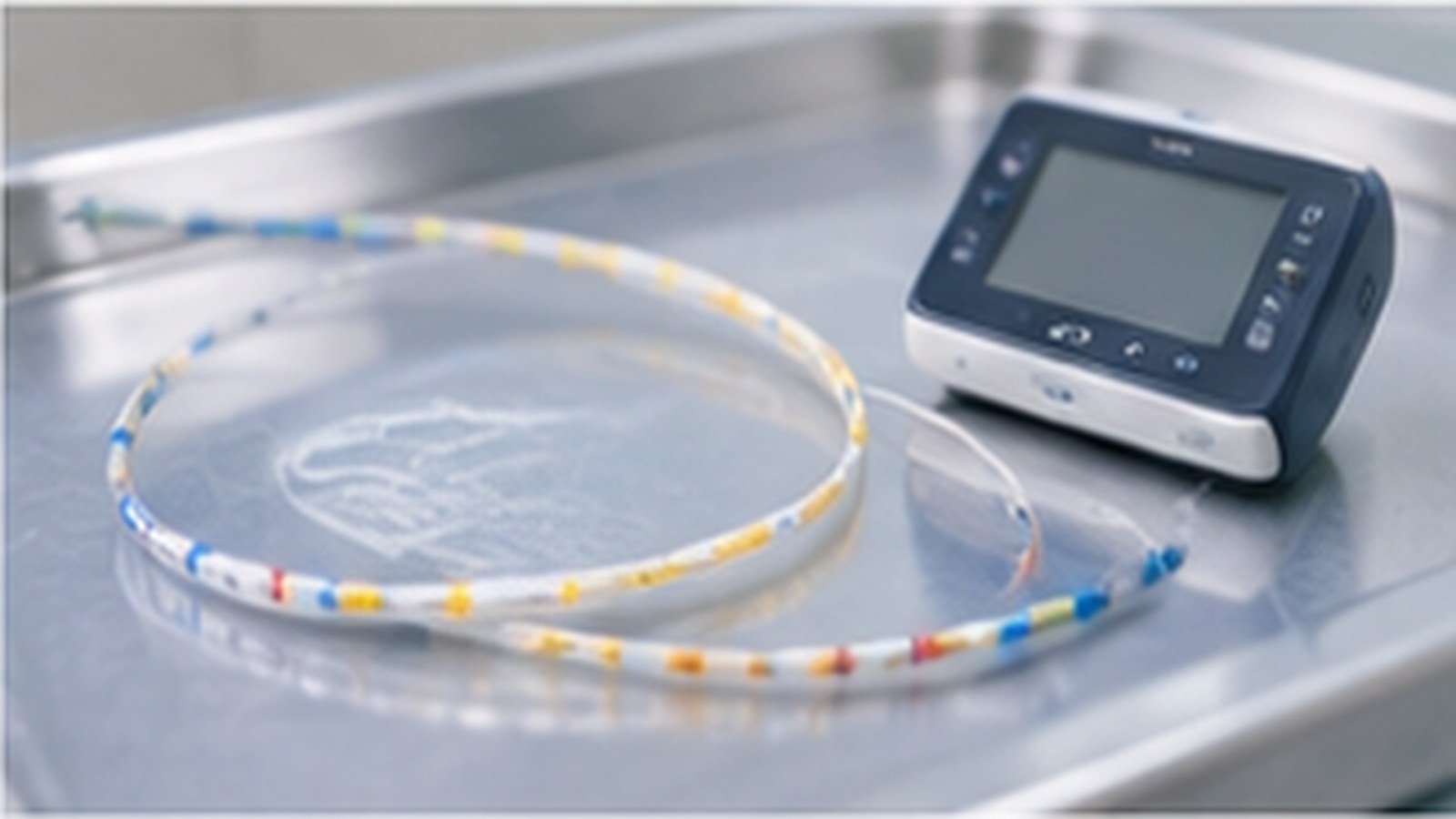
Catheter-Based pH & Impedance Testing
This test uses a very thin, flexible catheter placed through your nose into your esophagus for 24 hours. It measures both acid and non-acid reflux episodes, the height they reach in your esophagus, and correlates them with your symptoms. It's the most comprehensive reflux test available and the gold standard for diagnosing GERD.
Learn more →
FibroScan (Liver Elastography)
FibroScan is a quick, painless, non-invasive test that measures the stiffness of your liver using a special ultrasound-like device. Liver stiffness tells your doctor how much scarring (fibrosis) is present — without needing a liver biopsy. It also measures the amount of fat in the liver (steatosis).
Learn more →
Abdominal Ultrasound
An abdominal ultrasound uses sound waves to create real-time images of your internal organs. It's a safe, painless, and radiation-free way to examine your liver, gallbladder, bile ducts, pancreas, spleen, kidneys, and abdominal blood vessels.
Learn more →
Lactose Breath Test
The lactose breath test is a simple, non-invasive test that measures hydrogen and methane gases in your breath after drinking a lactose solution. If your body cannot properly digest lactose (the sugar found in milk and dairy products), bacteria in your gut ferment it and produce these gases, which are then detected in your breath.
Learn more →
FIT Test (Fecal Immunochemical Test)
The FIT test (Fecal Immunochemical Test) is a specialized stool test that detects tiny amounts of blood in your stool that are invisible to the naked eye. It specifically identifies human hemoglobin (the protein in red blood cells), making it more accurate than older stool blood tests. It is one of the most important screening tools for colorectal cancer and precancerous polyps.
Learn more →
Fecal Calprotectin Test
Fecal calprotectin is a specialized stool test that measures the level of calprotectin — a protein released by white blood cells (neutrophils) when there is inflammation in the intestines. It is the single most useful non-invasive marker for intestinal inflammation, particularly in Crohn's disease and ulcerative colitis (IBD). It can also help differentiate IBD from IBS (irritable bowel syndrome), which does not cause inflammation.
Learn more →
Specialized GI Pharmacy
Our specialized GI pharmacy stocks a comprehensive range of gastroenterology-specific medications that are often difficult to find in regular pharmacies. We provide expert dispensing, patient counseling, and medication management for conditions including IBD (Crohn's and ulcerative colitis), GERD, IBS, liver disease, H. pylori, and all digestive disorders. Our pharmacists are trained specifically in GI medications and their interactions.
Learn more →
Gastroscopy (Upper Endoscopy / EGD)
Gastroscopy, also called upper endoscopy or EGD, lets the doctor look directly at the lining of your food pipe (esophagus), stomach and the first part of the small intestine. A thin, flexible tube with a light and a tiny camera is passed gently through the mouth, and the images appear live on a screen. It shows inflammation, ulcers, bleeding points, narrowing and early changes that scans often miss.
Learn more →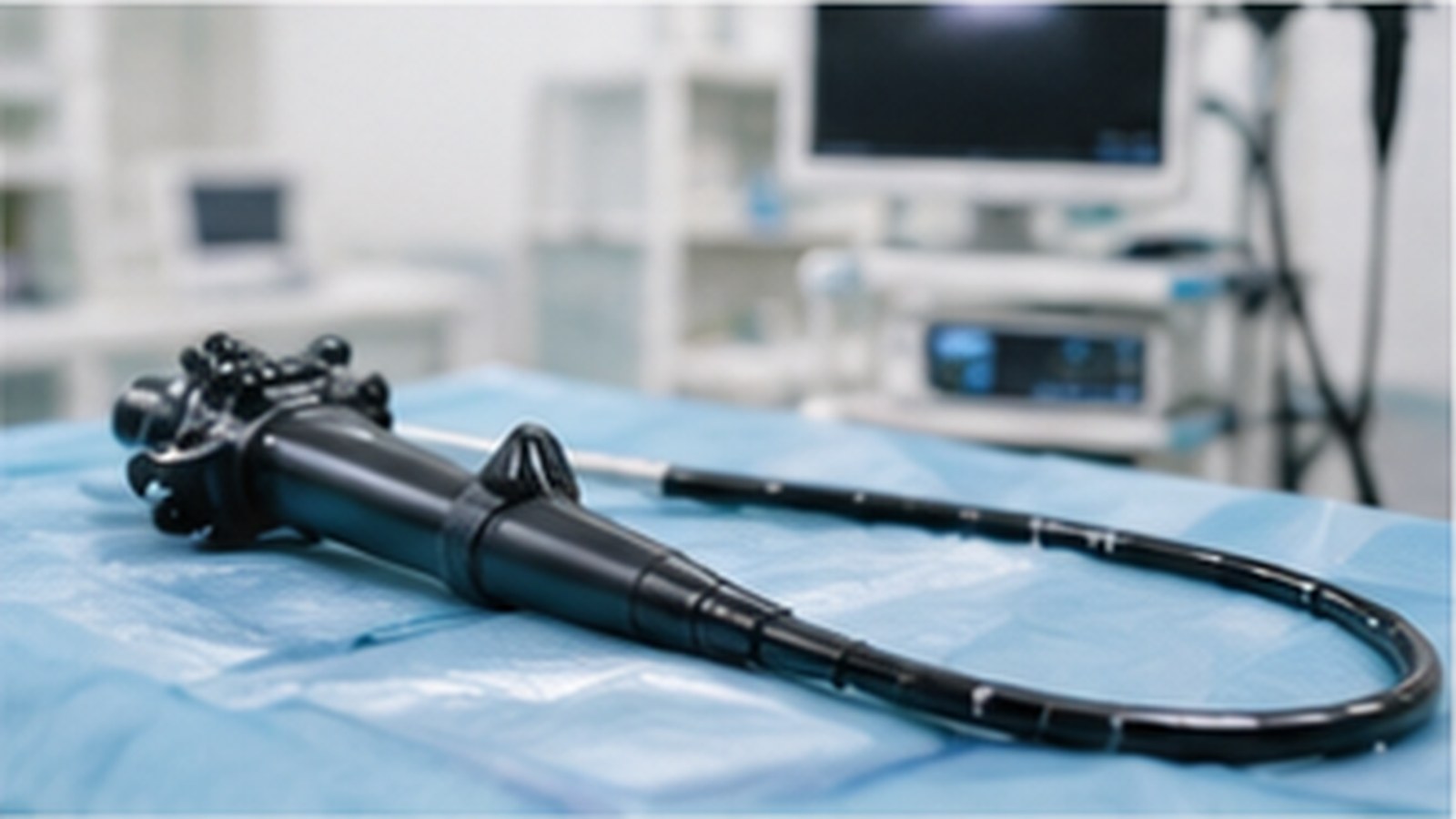
Colonoscopy
A colonoscopy lets the doctor examine the whole lining of the large intestine (colon and rectum) with a thin, flexible tube that carries a light and a camera. It is used both to find the cause of symptoms and to screen for colorectal cancer. Polyps, which are small growths that can turn into cancer over time, can usually be removed painlessly during the same session, so the test can prevent cancer as well as detect it.
Learn more →
Endoscopic Sleeve Gastroplasty (ESG)
Endoscopic sleeve gastroplasty (ESG) is a non-surgical weight-loss procedure done through the mouth with an endoscope. Using a suturing device, the doctor places stitches inside the stomach that fold it into a narrower, tube-like shape so you feel full on smaller portions. There are no cuts on the skin and no part of the stomach is removed. It is offered as part of a structured programme with dietitian support and regular follow-up.
Learn more →
Liver Health & Hepatitis Care
Our liver clinic assesses and follows people with fatty liver disease, hepatitis B and C, raised liver enzymes, and cirrhosis. The liver often causes no symptoms until damage is advanced, so assessment relies on blood tests, ultrasound and FibroScan, which measures liver stiffness and fat without a needle. Your hepatologist explains the results in plain language and builds a plan for treatment, monitoring and prevention.
Learn more →
Heartburn & Reflux Clinic
Heartburn and acid reflux are very common, but when they are frequent, severe or not helped by medicine, they need a proper assessment. Our reflux clinic finds out whether acid is really the cause, checks for damage to the esophagus, and builds a treatment plan. This may include medicines, lifestyle changes and, in selected patients, tests such as upper endoscopy and pH monitoring.
Learn more →
Weight Management Service
The Weight Management Service is a medical, non-surgical pathway for losing weight and keeping it off. A gastroenterologist leads the assessment, because weight and digestive health are tightly linked: fatty liver, reflux, gallstones and diabetes all improve as weight comes down. Depending on your health, goals and preferences, the plan can combine a structured nutrition and activity programme, modern weight-loss medicines, and endoscopic options such as the gastric balloon or endoscopic sleeve gastroplasty (ESG), all with the same team following you for a year.
Learn more →
Psychosomatic (Brain–Gut) Care for Digestive Disorders
The gut and the brain talk to each other constantly through nerves, hormones and the immune system. In disorders such as irritable bowel syndrome, functional dyspepsia, functional heartburn, cyclic vomiting and chronic abdominal pain, this conversation becomes over-sensitive: normal gut signals are felt as pain, and stress, poor sleep or anxiety turn the volume up. Psychosomatic care treats that pathway directly. It combines a gastroenterologist who confirms the diagnosis and rules out other disease, with evidence-based brain–gut therapies: gut-directed cognitive behavioural therapy, gut-directed hypnotherapy, relaxation and breathing training, and, when helpful, low-dose neuromodulator medicines. It is not "all in your head"; it is treatment of a real nerve pathway.
Learn more →