Small Bowel Capsule Endoscopy
Gastroenterology & Endoscopy
- ✓ Same-week appointments
- ✓ Performed by consultants
- ★ 300+ reviews on Google Maps
- Meet the team
🔬What is it?
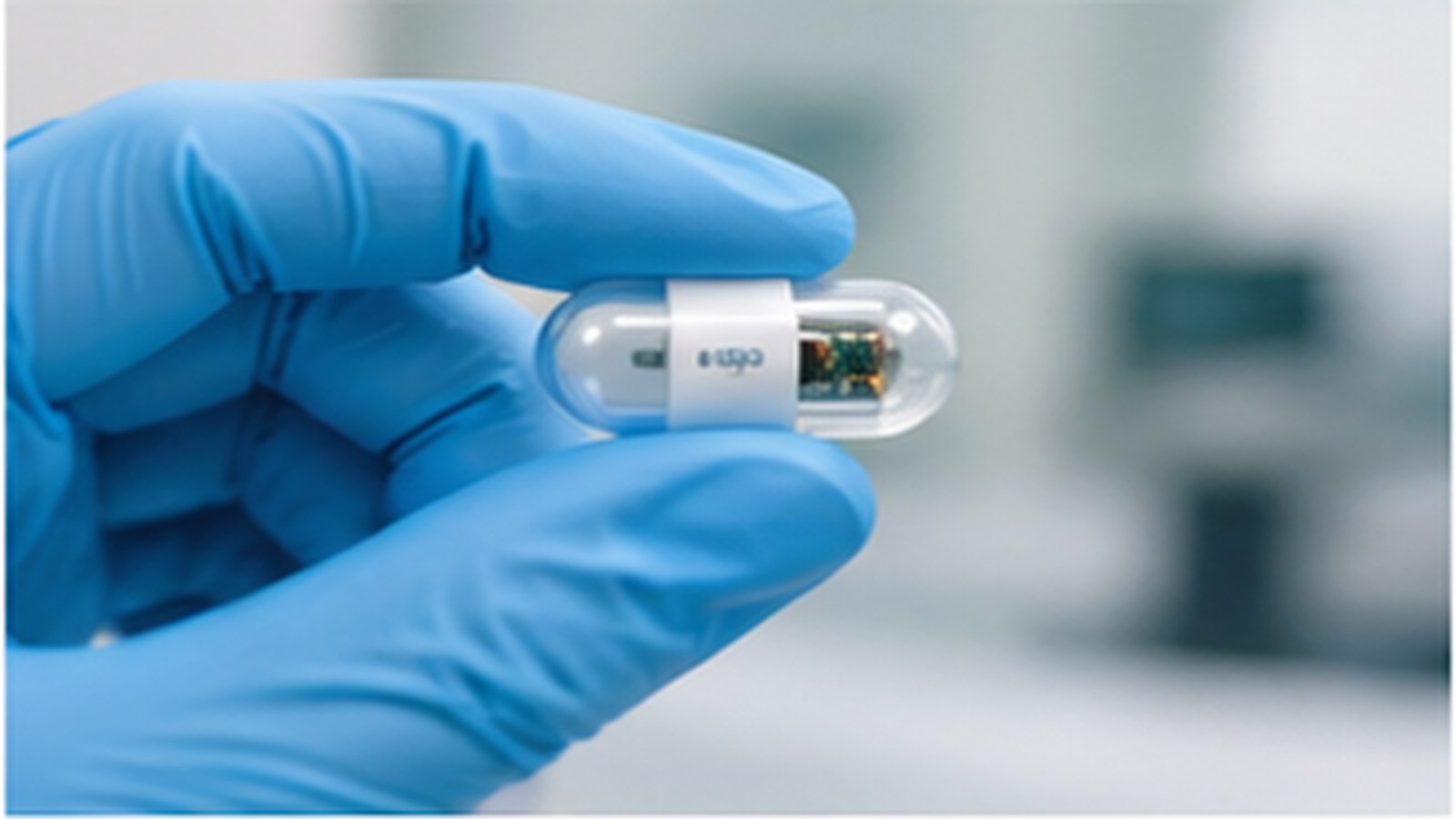
Capsule endoscopy uses a tiny wireless camera the size of a large vitamin pill. You simply swallow it with water, and as it travels naturally through your digestive tract, it takes thousands of high-quality images of your small intestine — an area that's difficult to reach with standard endoscopes.
💡Why might you need it?
Capsule endoscopy is the best way to examine the small intestine, which is over 6 meters long and impossible to reach with standard endoscopes. It's especially valuable for finding the source of unexplained GI bleeding, diagnosing Crohn's disease, detecting small tumors, and evaluating celiac disease.
⚙️How does it work?
- You swallow the capsule with a glass of water — it's about the size of a large vitamin pill
- You wear a small recording device on a belt around your waist
- The capsule takes 2–6 photos per second as it travels through your small intestine
- You can go about your normal day while the capsule works
- After 8–12 hours, you return the recorder — the capsule passes naturally in your stool
⏱️Duration
8–12 hours (automatic)
📋How to prepare?
- ✓Fasting for 12 hours before swallowing the capsule
- ✓Clear liquid diet the evening before
- ✓Your doctor may ask you to take a mild prep solution
📝What to expect?
- •Swallowing the capsule is easy — most patients have no difficulty
- •You'll avoid eating for a few hours, then can have light meals
- •No sedation is needed — you're fully awake and active all day
- •The capsule is disposable and passes naturally — you don't need to retrieve it
👥Who is it for?
- ✓Unexplained bleeding or iron-deficiency anaemia when stomach and colon endoscopy found no cause
- ✓Suspected or known Crohn's disease affecting the small bowel
- ✓Suspected small bowel tumours or polyps
- ✓Persistent symptoms or abnormal results in celiac disease or malabsorption that need a closer look
- ✓People who want to examine the small intestine without sedation or a tube
🛡️Safety & risks
- •Capsule retention: occasionally the capsule stays in a narrowed part of the bowel. This is uncommon but more likely in Crohn's disease or after bowel surgery, so your doctor may check for narrowing first.
- •It cannot take biopsies or treat anything it finds; if an abnormality is seen, a further procedure may be needed.
- •Sometimes the battery ends before the capsule reaches the colon, or food and bubbles hide parts of the lining, so the study can be incomplete.
- •Not suitable if you have a known blockage or serious swallowing problems; tell your doctor about previous abdominal surgery and any implanted devices.
- •Avoid MRI scans until the capsule has passed, and tell your doctor if you have not seen it pass.
📄Results & next steps
After you return the recorder, the images are reviewed by your doctor, which usually takes a few days. Your doctor will go over the findings with you and explain whether treatment or another test is needed.
❓Frequently asked questions
What is capsule endoscopy and is it painful?
It is a pill-sized camera you swallow with water. It is painless, needs no sedation, and you go about your day while it records the small intestine.
How do I prepare for a capsule endoscopy?
You will usually have a clear liquid diet the evening before and fast for about 12 hours before swallowing the capsule. Your doctor may also ask you to take a mild bowel preparation so the lining is clearer. Follow the instructions you are given.
What if the capsule does not come out?
Most capsules pass within a day or two without you noticing. If you have not seen it pass after about two weeks, or you have belly pain, vomiting or bloating, contact your doctor, who may arrange an X-ray.
Can capsule endoscopy replace colonoscopy or gastroscopy?
No. It is designed to look at the small intestine, which standard scopes cannot reach. It is usually done after stomach and colon endoscopy, because it cannot take biopsies or remove polyps.
Can I go to work or exercise during the test?
You can usually go about light daily activities, but avoid heavy exercise and anything that could dislodge the recorder. Your clinic will tell you when you may start eating and drinking again.