🔬What is it?
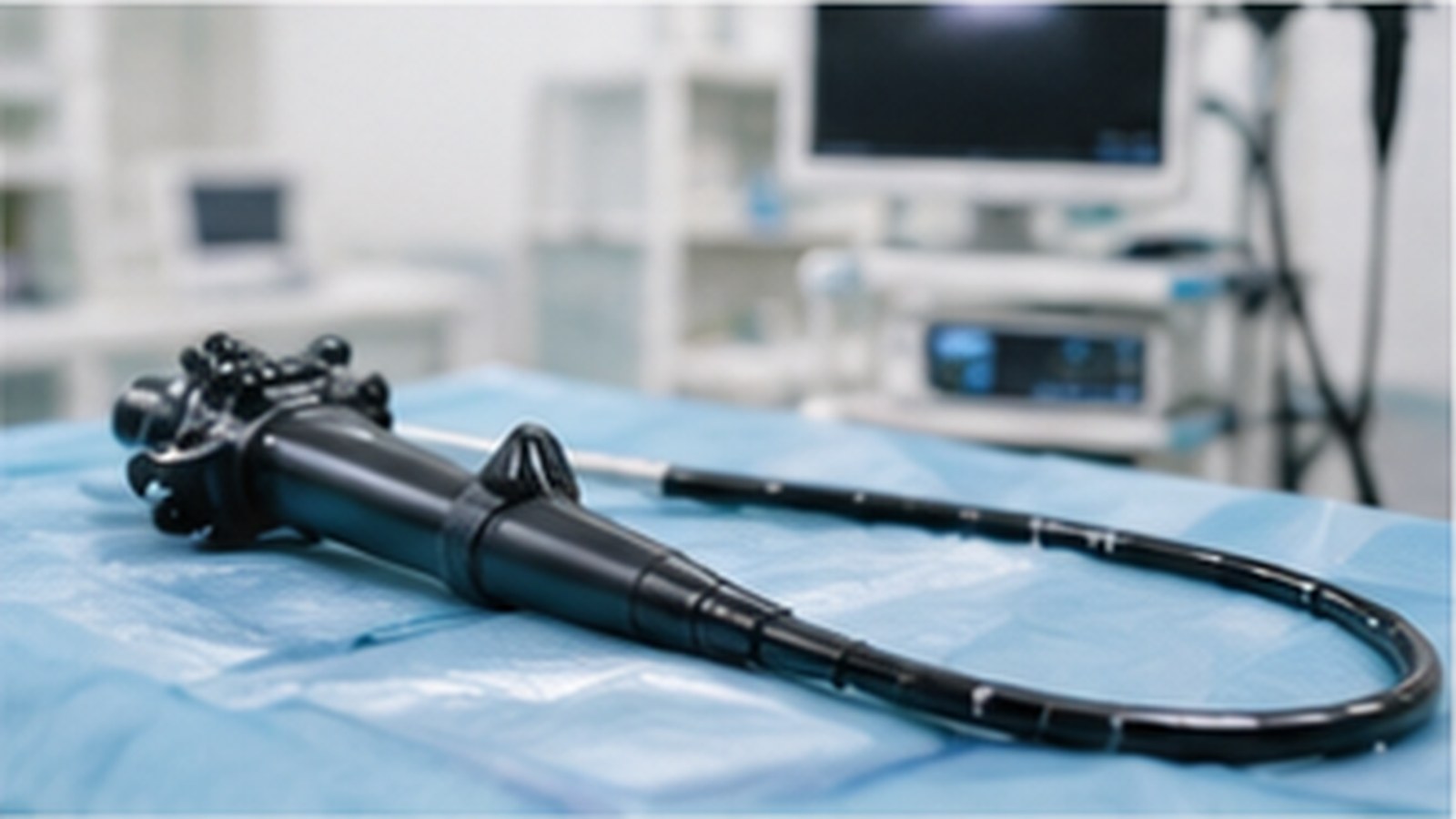
A colonoscopy lets the doctor examine the whole lining of the large intestine (colon and rectum) with a thin, flexible tube that carries a light and a camera. It is used both to find the cause of symptoms and to screen for colorectal cancer. Polyps, which are small growths that can turn into cancer over time, can usually be removed painlessly during the same session, so the test can prevent cancer as well as detect it.
💡Why might you need it?
Colonoscopy is recommended for screening from the age of 45 (earlier if you have a family history of colon cancer or polyps) and for symptoms such as blood in the stool, a lasting change in bowel habits, ongoing diarrhoea or constipation, unexplained anaemia, abdominal pain or weight loss. It is also used to diagnose and monitor inflammatory bowel disease and to follow up after polyps have been removed.
⚙️How does it work?
- The day before, you follow a bowel preparation so the colon is completely clean; this is the most important step for a reliable result
- On the day, you are checked in and a small cannula is placed in your arm for sedation
- You lie on your side and, once relaxed, the doctor gently passes the colonoscope through the back passage and advances it around the colon
- The doctor examines the lining carefully as the scope is withdrawn, takes biopsies if needed and removes polyps (polypectomy) in the same session
- You rest in the recovery area until the sedation wears off, then the doctor discusses the findings with you
⏱️Duration
30–45 minutes (about 2–3 hours including recovery)
📋How to prepare?
- ✓Follow the bowel preparation instructions exactly (low-fibre diet, then clear liquids and the laxative solution)
- ✓Tell us about blood thinners, iron tablets, diabetes medicines and any heart or lung condition well before the date
- ✓Arrange for someone to take you home and avoid driving until the next day
📝What to expect?
- •Bowel preparation involves a liquid diet and a laxative solution; it causes frequent loose stools, so stay close to a bathroom
- •The procedure is done under sedation, so most people feel little or no discomfort
- •Afterwards you may feel bloated or have mild cramping from the air used to open the colon; this passes quickly
- •You need a responsible adult to take you home and should not drive until the next day
- •If polyps are removed or biopsies taken, the lab results usually take several days and the doctor will explain the follow-up plan
👥Who is it for?
- ✓Adults from the age of 45 for colorectal cancer screening, or earlier with a family history
- ✓People with blood in the stool or a lasting change in bowel habits
- ✓Those with ongoing diarrhoea, constipation, abdominal pain or unexplained anaemia
- ✓Patients with inflammatory bowel disease needing diagnosis or monitoring
- ✓People who have had polyps or colorectal cancer and need follow-up
🛡️Safety & risks
- •Colonoscopy is generally safe, and serious complications are uncommon
- •Mild bloating or cramping from the air used during the test is common and passes quickly
- •Bleeding can occur after polyp removal, usually mild and sometimes a few days later
- •Rarely the bowel wall can be torn (perforation), which may need further treatment
- •Contact us urgently for severe abdominal pain, fever, heavy rectal bleeding or dizziness after the procedure
📄Results & next steps
The doctor describes what was seen once you are awake. Polyps and biopsies are sent to the laboratory, and results usually take several days; your doctor then advises when the next colonoscopy is due.
❓Frequently asked questions
At what age should I have a colonoscopy?
Screening is generally recommended from the age of 45 for people at average risk. If you have a close relative with colon cancer or polyps, or symptoms such as blood in the stool, your doctor may advise starting earlier.
Is a colonoscopy painful?
The procedure is done under sedation, so most people feel little or no discomfort. The bowel preparation the day before is usually the harder part; some bloating or cramping may follow afterwards but passes quickly.
How do I prepare for a colonoscopy?
You follow a low-fibre diet, then clear liquids and a laxative solution the day before, so the colon is clean. Follow the written instructions exactly and tell us about your medicines, especially blood thinners, iron and diabetes medicines.
Can polyps be removed during a colonoscopy?
Yes. Most polyps can be removed during the same session without pain, which helps prevent them from turning into cancer. Removed polyps are examined in the laboratory.
How long does it take to recover after a colonoscopy?
You usually go home the same day after an hour or two of recovery and can eat normally. Avoid driving until the next day, and most people return to work and normal activity the next day.