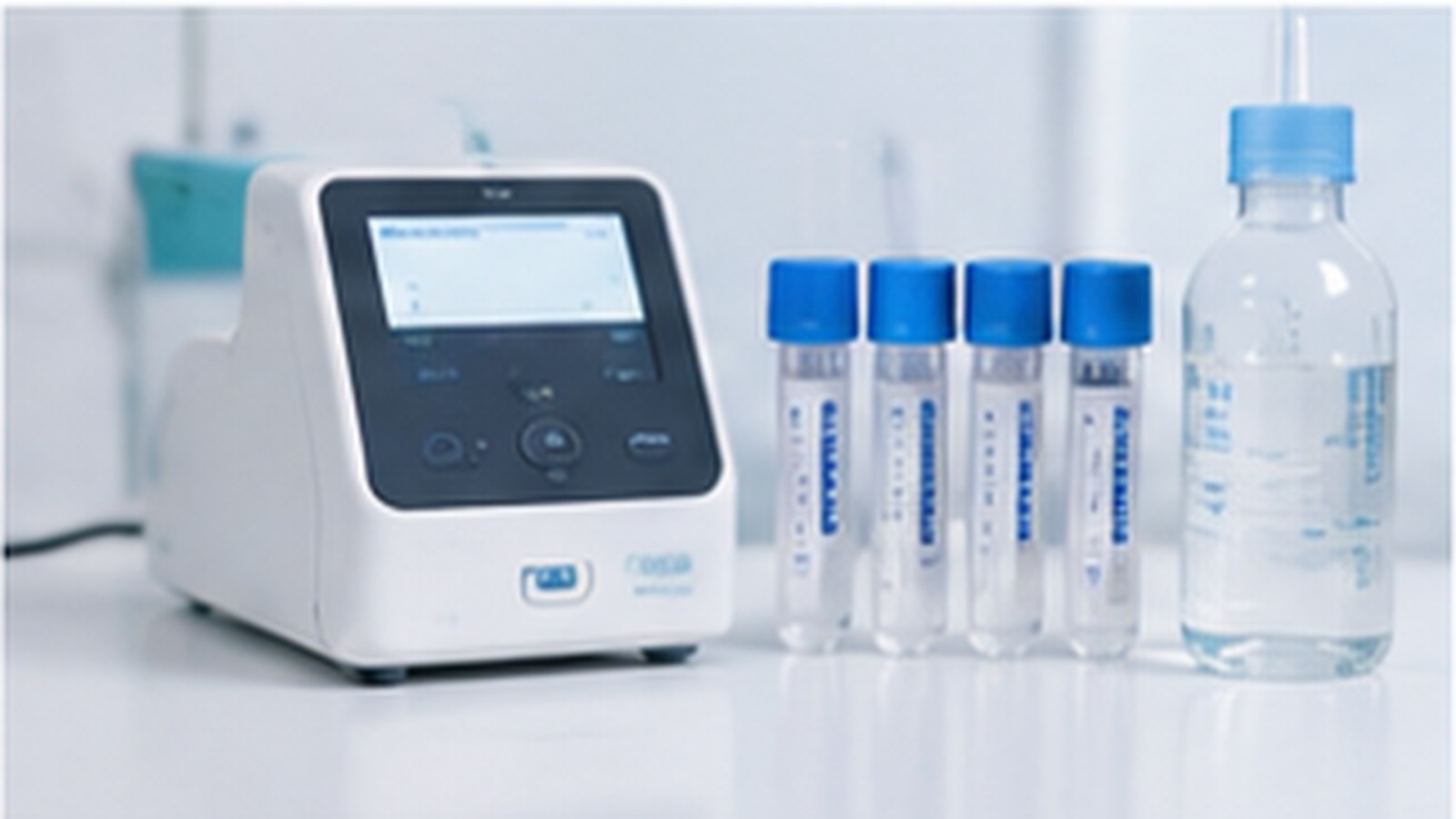
SIBO Breath Testing
Gastroenterology
- ✓ Same-week appointments
- ✓ Performed by consultants
- ★ 300+ reviews on Google Maps
- Meet the team
🔬What is it?
SIBO (Small Intestinal Bacterial Overgrowth) is a condition where too many bacteria grow in the small intestine, causing bloating, gas, diarrhea, and abdominal discomfort. The breath test is a simple, painless way to detect SIBO — you drink a sugar solution (lactulose or glucose) and breathe into a collection device at regular intervals. The gases in your breath tell us if bacteria are overgrowing in the wrong place.
💡Why might you need it?
SIBO is often the hidden cause behind chronic bloating, IBS-like symptoms, and malabsorption. Identifying and treating it can bring dramatic relief. The breath test is completely non-invasive and the most widely used method for diagnosing SIBO worldwide.
⚙️How does it work?
- You arrive fasting and provide a baseline breath sample
- You drink a small amount of sugar solution (lactulose or glucose)
- You breathe into a collection bag every 15–20 minutes for about 1.5 hours
- The samples are analyzed for hydrogen and methane gas levels
- Your doctor reviews the results and discusses the findings with you
⏱️Duration
2 hours
📋How to prepare?
- ✓Fasting for 12 hours before the test
- ✓Avoid antibiotics for 4 weeks prior
- ✓Avoid laxatives and probiotics for 1 week prior
- ✓Low-fiber diet the day before the test
📝What to expect?
- •The test takes about 2 hours — you stay in the clinic during this time
- •You breathe into a bag at set intervals — completely painless
- •Results are usually available immediately
- •If positive, treatment typically involves a specific course of antibiotics for 2 weeks
👥Who is it for?
- ✓Chronic bloating, gas or abdominal distension, especially after meals
- ✓Loose stools or diarrhoea, or alternating constipation and diarrhoea
- ✓Symptoms that look like irritable bowel syndrome and have not improved with treatment
- ✓Conditions that can make SIBO more likely, such as previous bowel surgery, diabetes or slow gut movement
🛡️Safety & risks
- •The breath test is painless and safe; the sugar solution may cause mild bloating or loose stools in some people.
- •Breath tests are not perfect, and results must be read together with your symptoms by your doctor.
- •Wrong preparation, such as recent antibiotics or laxatives, can make results unreliable.
- •SIBO can come back, especially if the underlying cause is not addressed.
- •Antibiotics used for treatment can cause nausea or other side effects, so they are only used when needed.
📄Results & next steps
Results are usually available soon after the test, and your doctor explains what the hydrogen and methane readings mean. If SIBO is confirmed, a treatment plan and advice on the likely cause follow.
❓Frequently asked questions
What is SIBO?
SIBO means small intestinal bacterial overgrowth: too many bacteria living in the small intestine. It can cause bloating, gas, abdominal discomfort and diarrhoea.
How do I prepare for the SIBO breath test?
You fast for about 12 hours, avoid recent antibiotics, laxatives and probiotics as instructed, and follow a low-fibre diet the day before. Your clinic will give you the exact steps.
How long does the SIBO breath test take?
About two hours. You give breath samples at regular intervals after drinking a sugar solution, and you stay in the clinic during that time.
How is SIBO treated?
Treatment often uses a course of a specific antibiotic, together with dietary advice and treating any underlying cause. Your doctor decides what is right for you.
Can SIBO come back after treatment?
Yes, it can, particularly if the cause such as slow gut movement or previous surgery is still present. Follow-up with your doctor helps reduce the chance of recurrence.