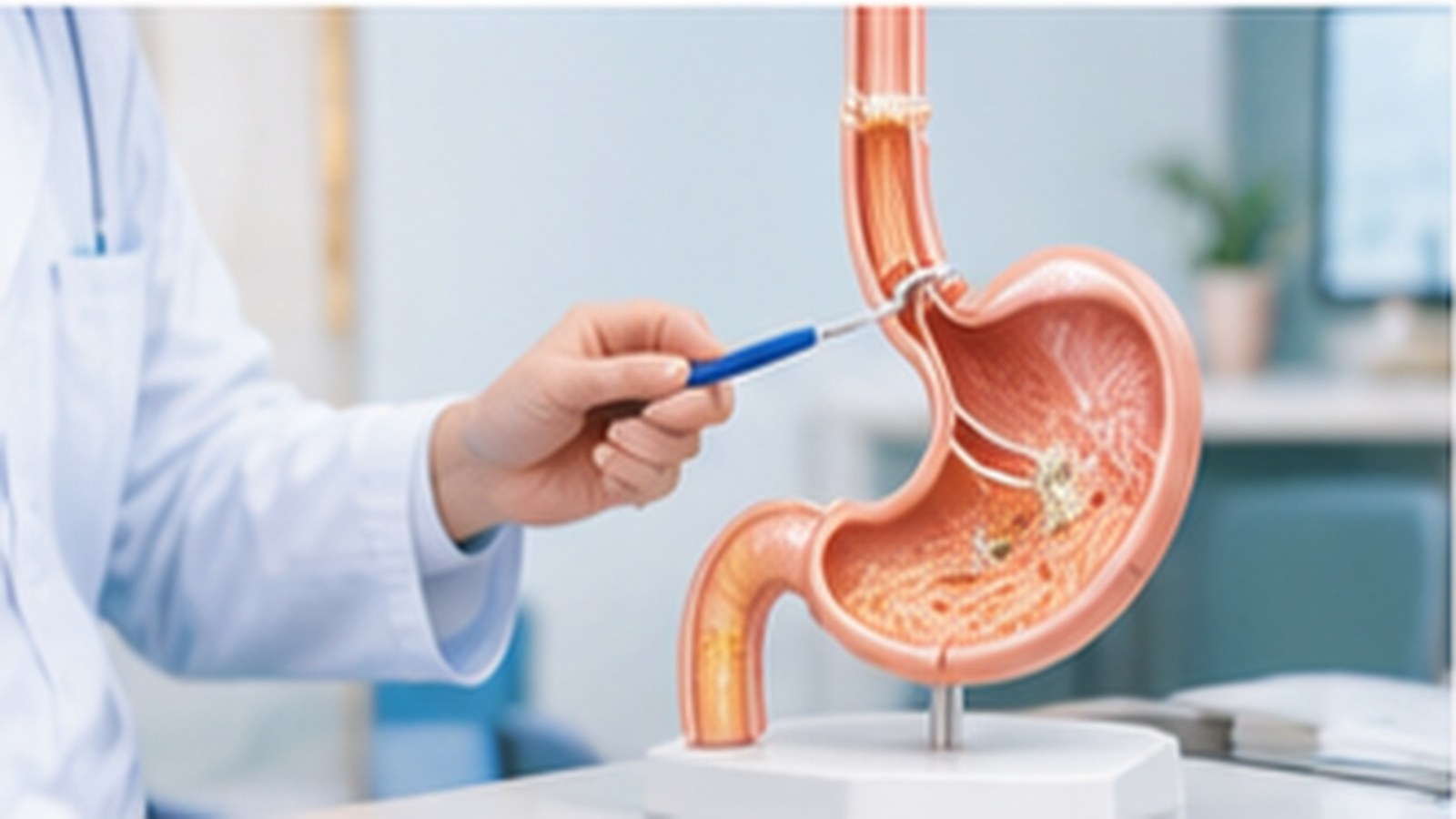
🔬What is it?
Heartburn and acid reflux are very common, but when they are frequent, severe or not helped by medicine, they need a proper assessment. Our reflux clinic finds out whether acid is really the cause, checks for damage to the esophagus, and builds a treatment plan. This may include medicines, lifestyle changes and, in selected patients, tests such as upper endoscopy and pH monitoring.
💡Why might you need it?
See a doctor if heartburn happens more than twice a week, if you need acid medicine every day for more than a few weeks, or if you also have trouble or pain swallowing, a chronic cough, a hoarse voice, nausea or vomiting. Urgent assessment is needed for weight loss, vomiting blood, black stools or anaemia. Untreated reflux can inflame or scar the esophagus, and a proper assessment avoids both under-treatment and unnecessary long-term medicine.
⚙️How does it work?
- Your doctor reviews your symptoms, triggers, medicines and any warning signs such as trouble swallowing or weight loss
- If needed, an upper endoscopy looks for inflammation, ulcers, hiatal hernia or Barrett's changes in the esophagus
- When the diagnosis is unclear or treatment is not working, pH (and impedance) monitoring measures how often acid reaches the esophagus
- Your doctor matches the treatment to the findings, from lifestyle changes and acid-reducing medicines to further options for selected patients
- A follow-up plan checks whether symptoms have settled and whether medicine can be reduced safely
⏱️Duration
Consultation 30 minutes; endoscopy 10–20 minutes; pH monitoring 24–96 hours
📋How to prepare?
- ✓Bring a list of your medicines, especially acid-reducing tablets, and tell the doctor how long you have taken them
- ✓Keep a short note of when symptoms happen and what you ate or did before them
- ✓Ask whether you should pause acid medicines before a pH test or endoscopy; do not stop them on your own
📝What to expect?
- •The first visit focuses on your story, an examination and an agreed plan; some people start with medicine and lifestyle changes
- •An upper endoscopy, when needed, is done under sedation and takes about 10–20 minutes
- •pH testing may involve a thin sensor through the nose or a small capsule attached to the esophagus, followed by a day or two of normal daily activity
- •You will receive practical advice on meals, timing, weight, sleep position and trigger foods
- •Follow-up is planned to review the response and, where possible, step medicine down
👥Who is it for?
- ✓People with heartburn or regurgitation more than twice a week
- ✓Those who need acid-reducing medicine every day for more than a few weeks
- ✓Patients whose symptoms have not improved with medicine
- ✓People with chest discomfort, chronic cough, hoarse voice or throat symptoms that may be linked to reflux
- ✓Anyone with trouble swallowing, weight loss, vomiting, anaemia or black stools, who needs prompt assessment
🛡️Safety & risks
- •The clinic visit itself carries no risk; endoscopy carries small, well-known risks such as a sore throat, bleeding or, rarely, a tear
- •A pH sensor can cause throat or nose irritation, a mild sensation of something in the chest and occasionally nausea while it is in place
- •Long-term acid medicines have possible side effects, so the lowest effective dose and regular review are important
- •Ignoring frequent reflux may allow inflammation or scarring of the esophagus to develop
📄Results & next steps
Endoscopy findings are explained straight after you wake up, and any biopsy results follow within a few days. A pH study is analysed after the monitoring period and your doctor uses it to decide whether acid reflux is the cause and how to treat it.
❓Frequently asked questions
What is the difference between heartburn and acid reflux?
Acid reflux is when stomach contents flow back up into the esophagus. Heartburn is the burning feeling in the chest it often causes. Reflux that happens often and causes symptoms or damage is called gastro-esophageal reflux disease (GERD).
When should I see a doctor for heartburn?
See a doctor if heartburn happens more than twice a week, needs daily medicine for more than a few weeks, or comes with trouble swallowing, vomiting, weight loss, anaemia or black stools. Chest pain should always be checked urgently to exclude a heart cause.
Do I need an endoscopy or a pH test for reflux?
Not everyone does. An endoscopy is advised for warning signs or long-lasting symptoms, and pH monitoring is used when the diagnosis is unclear or symptoms continue despite treatment. Your doctor decides after hearing your history.
Which lifestyle changes help reduce acid reflux?
Eating smaller meals, avoiding large or late meals, not lying down within 2–3 hours of eating, raising the head of the bed, losing excess weight, stopping smoking and avoiding your personal trigger foods can all help. Your doctor will tailor the advice to you.
Can I stop my reflux medicine?
Many people can reduce or stop it after symptoms are controlled, but stopping suddenly can make symptoms rebound. Ask your doctor for a step-down plan rather than stopping on your own, especially if you have had esophagus damage or Barrett's esophagus.