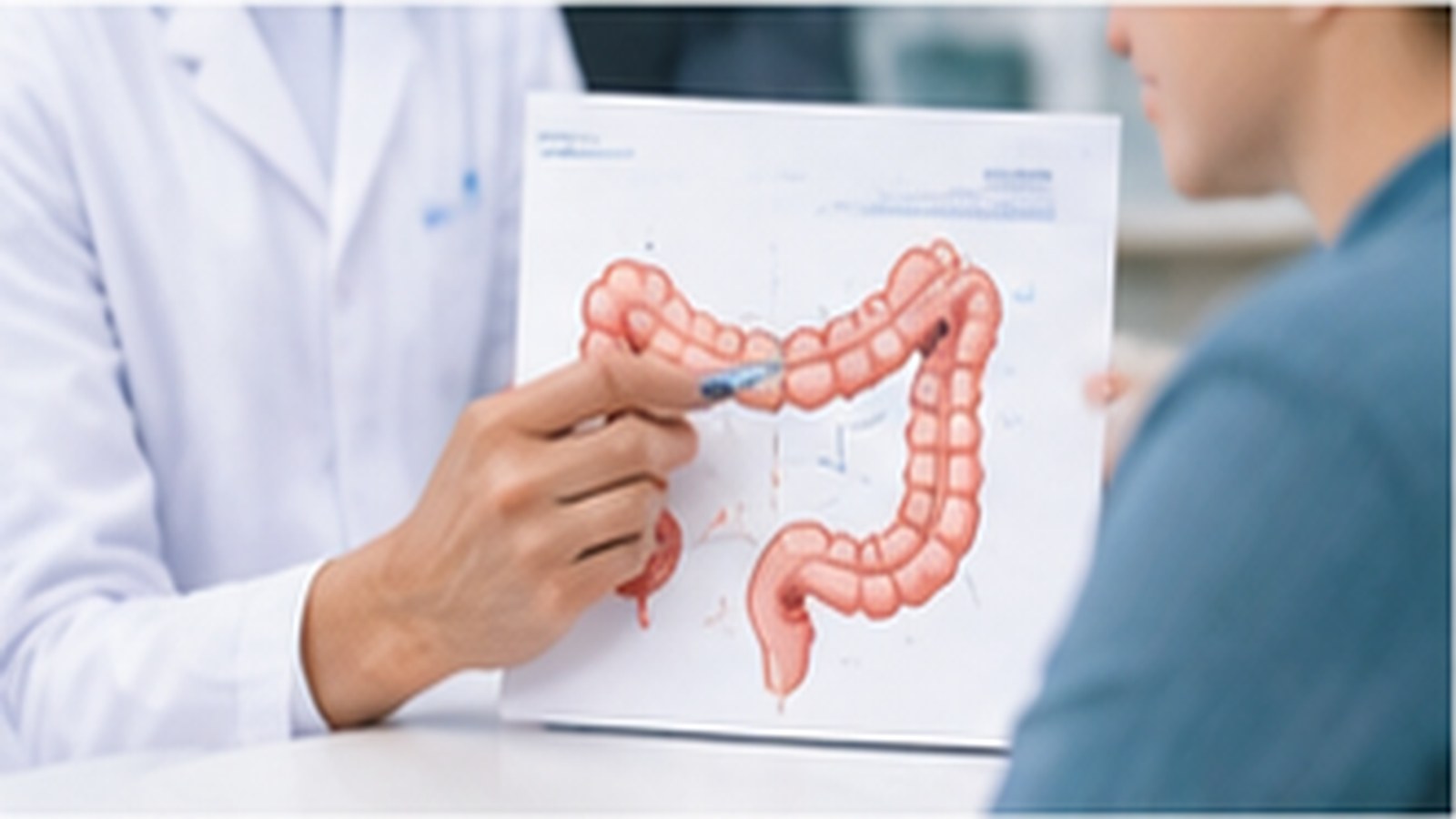
IBD: Colitis & Crohn's
Gastroenterology & IBD
- ✓ Same-week appointments
- ✓ Performed by consultants
- ★ 300+ reviews on Google Maps
- Meet the team
🔬What is it?
Inflammatory Bowel Disease (IBD) includes two main conditions: Ulcerative Colitis (which affects the colon) and Crohn's Disease (which can affect any part of the digestive tract). In IBD, the immune system mistakenly attacks the digestive tract, causing chronic inflammation, pain, and damage. It's a lifelong condition, but with the right care, most patients live full, active lives.
💡Why might you need it?
Early diagnosis and proper management of IBD prevents serious complications like strictures, fistulas, and colon cancer. Modern treatments — especially biologic therapies — can achieve deep remission and let patients return to their normal lives. Our IBD specialists provide comprehensive, long-term care tailored to your condition.
⚙️How does it work?
- Blood and stool tests to check for inflammation markers (CRP, calprotectin)
- Colonoscopy with biopsies to see the extent and pattern of inflammation
- Imaging (MRI or CT) to check for complications or Crohn's in the small intestine
- Treatment is personalized: from anti-inflammatory medications to advanced biologic therapies
- Regular monitoring to keep the disease in remission and prevent flares
⏱️Duration
Ongoing care with regular visits
📋How to prepare?
- ✓Bring a list of your current medications
- ✓Bring any previous test results or medical records
- ✓Write down your symptoms and questions
📝What to expect?
- •Initial evaluation includes blood tests, stool tests, and usually a colonoscopy
- •Your doctor will create a personalized treatment plan based on your specific type and severity
- •You'll have regular check-ups to monitor your condition and adjust treatment as needed
- •Our team includes gastroenterologists, nutritionists, and support staff dedicated to IBD care
👥Who is it for?
- ✓Persistent diarrhoea, especially with blood or mucus, lasting more than a few weeks
- ✓Ongoing abdominal pain, urgent bowel movements or weight loss
- ✓Diagnosed Crohn’s disease or ulcerative colitis who want specialist follow-up
- ✓Anyone with a close relative with IBD and similar symptoms
- ✓Patients on or being considered for biologic or other advanced treatments
🛡️Safety & risks
- •IBD is a long-term condition; treatment controls it but does not remove it, and flares can still happen.
- •Some medicines lower immune defences or can affect the blood and liver, so regular blood tests and monitoring are needed.
- •Tests such as colonoscopy carry the usual small risks of sedation, bleeding or perforation.
- •Stopping medicine on your own, even when you feel well, can bring on a flare, so always speak to your doctor first.
- •Infections, smoking and some anti-inflammatory painkillers can make IBD worse.
📄Results & next steps
Blood and stool results are usually available within days, and colonoscopy biopsy results follow shortly after. Your doctor uses them to build a treatment plan and then reviews you regularly to check the response.
❓Frequently asked questions
What is the difference between Crohn’s disease and ulcerative colitis?
Ulcerative colitis affects the colon and rectum, usually as continuous inflammation of the lining. Crohn’s disease can affect any part of the digestive tract and may involve all layers of the bowel wall. Tests help your doctor tell them apart.
Can IBD be cured?
There is currently no cure, but modern treatments can control inflammation, relieve symptoms and keep the disease in remission for many people. Regular follow-up is the key to staying well.
Does diet cause or cure Crohn’s disease or colitis?
Diet does not cause IBD and no diet cures it, but some foods can worsen symptoms during a flare, and good nutrition supports healing. A dietitian can tailor advice to you.
What are biologic treatments for IBD?
Biologics are advanced medicines that block specific parts of the immune response that drive inflammation. Your doctor decides whether they are suitable and checks for infections before starting, then monitors you during treatment.
When should I see a doctor urgently with IBD?
Seek urgent care for severe abdominal pain, heavy bleeding, a high fever, repeated vomiting, or if you cannot keep fluids down. Do not wait for your next scheduled visit.