Wireless Capsule pH Monitoring (Bravo)
Gastroenterology & Reflux
- ✓ Same-week appointments
- ✓ Performed by consultants
- ★ 300+ reviews on Google Maps
- Meet the team
🔬What is it?
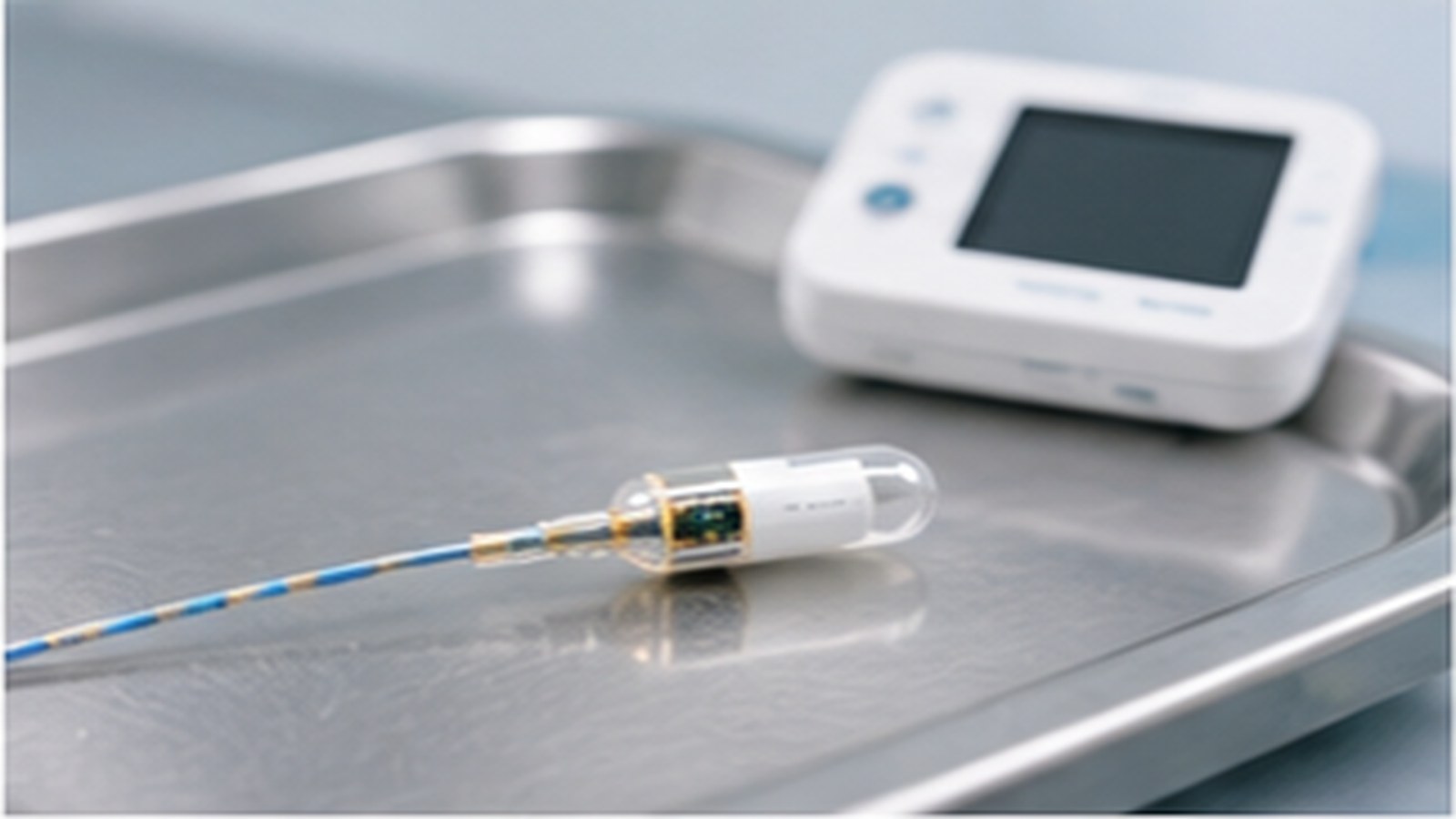
The Bravo capsule pH test is a wireless way to measure acid reflux. During a brief endoscopy, a tiny capsule is attached to the lining of your esophagus. For the next 48–96 hours, it wirelessly transmits acid measurements to a small recorder you carry. Unlike the traditional nasal probe, there's nothing in your nose or throat — so you can eat, drink, sleep, and go about your day normally.
💡Why might you need it?
This test gives the most accurate picture of your acid reflux pattern over 2–4 days of normal life. It's essential for confirming GERD before surgery, evaluating patients whose symptoms don't respond to medication, and distinguishing true acid reflux from other causes of heartburn.
⚙️How does it work?
- A brief endoscopy is performed under mild sedation (about 10 minutes)
- The tiny Bravo capsule is clipped to your esophageal lining — you won't feel it
- You carry a small wireless receiver for 48–96 hours
- You press buttons on the receiver to log meals, lying down, and symptoms
- The capsule falls off on its own after a few days and passes naturally
⏱️Duration
Placement: 10 min | Monitoring: 48–96 hours
📋How to prepare?
- ✓Fasting for 6–8 hours before endoscopy
- ✓Stop acid-reducing medications 7 days before (as instructed)
- ✓Bring someone to drive you home after endoscopy
📝What to expect?
- •The endoscopy part takes about 10 minutes — you'll be sedated and comfortable
- •You may feel a mild foreign-body sensation in your chest for the first day — this is normal
- •You live your normal life during the monitoring period
- •Return the recorder after 48–96 hours and your doctor will analyze the data
👥Who is it for?
- ✓Heartburn or regurgitation that persists despite acid-reducing medicine
- ✓Chest pain, chronic cough or hoarseness where reflux is suspected but not proven
- ✓People considering anti-reflux surgery or an endoscopic reflux procedure who need confirmation of GERD
- ✓Patients with a normal endoscopy whose reflux symptoms still need an objective answer
- ✓People who find a nasal catheter hard to tolerate
🛡️Safety & risks
- •A feeling of something in the chest or mild chest discomfort and pain when swallowing is common for a few days.
- •Occasionally the capsule does not attach properly, falls off early, or stays attached longer than expected, and the test may need to be repeated or the capsule removed.
- •Rare complications of the placement endoscopy include bleeding or injury to the oesophagus, as with any endoscopy.
- •Not suitable for people with certain conditions such as a bleeding tendency, oesophageal varices, severe oesophagitis or a narrowed oesophagus; tell your doctor if you have a pacemaker or other implanted device.
- •Avoid MRI scans for about a month after placement unless your doctor confirms it is safe.
📄Results & next steps
When you return the recorder, your doctor downloads and analyses the 48 to 96 hours of data, usually within a few days. You will then discuss what the acid readings mean for your symptoms and treatment.
❓Frequently asked questions
What is the Bravo capsule pH test?
It is a wireless test for acid reflux. A small capsule is attached to the lining of the oesophagus during a short endoscopy and sends acid readings to a recorder you carry for 48 to 96 hours.
Do I need to stop my reflux medicine before the test?
Often yes. Acid-reducing medicines can hide reflux, so doctors usually ask patients to stop them for about 7 days when the aim is to confirm GERD. Never stop medicine without your doctor's instructions, because the plan depends on your situation.
Is the capsule pH test painful?
The endoscopy is done under mild sedation, so you should be comfortable. Afterwards you may feel mild chest discomfort or a sensation that something is stuck for a day or two. Tell your doctor if the pain is severe.
Can I eat and sleep normally while wearing the recorder?
Yes. You eat, drink and sleep as you normally do and press buttons to log meals, lying down and symptoms. This is what makes the result reflect your real daily life.
What happens to the capsule afterwards?
It detaches by itself after several days and passes through the digestive tract. You usually do not notice it. If you develop chest pain, trouble swallowing or vomiting, contact your doctor.