Lactose Breath Test
Gastroenterology
- ✓ Same-week appointments
- ✓ Performed by consultants
- ★ 300+ reviews on Google Maps
- Meet the team
🔬What is it?
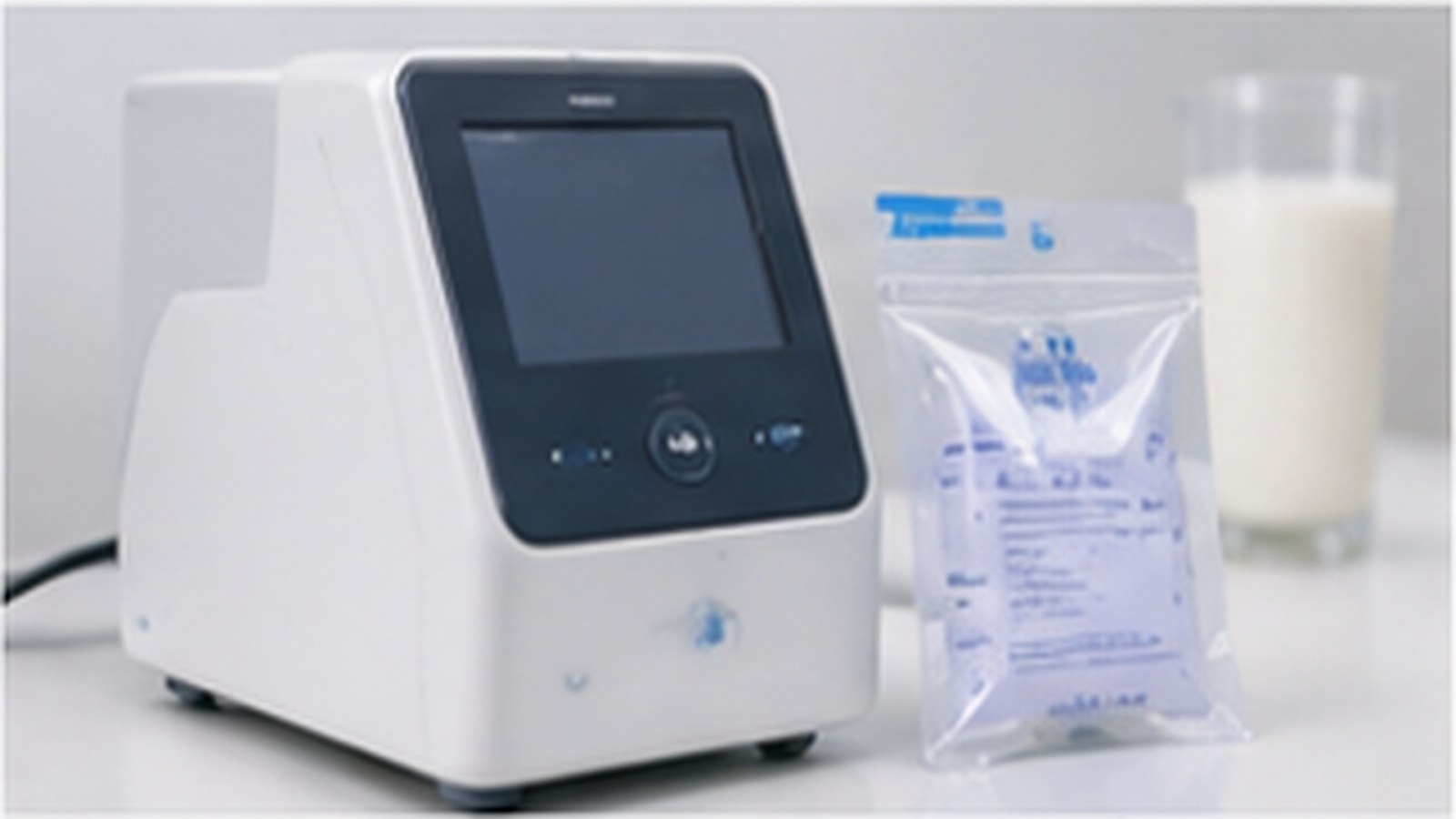
The lactose breath test is a simple, non-invasive test that measures hydrogen and methane gases in your breath after drinking a lactose solution. If your body cannot properly digest lactose (the sugar found in milk and dairy products), bacteria in your gut ferment it and produce these gases, which are then detected in your breath.
💡Why might you need it?
This is the gold standard test for diagnosing lactose intolerance. It helps differentiate between lactose intolerance and other causes of bloating, gas, diarrhea, and abdominal discomfort. Knowing your lactose tolerance level allows your doctor to recommend precise dietary adjustments rather than unnecessary complete dairy avoidance.
⚙️How does it work?
- You provide a baseline breath sample by blowing into a collection bag
- You drink a measured lactose solution (usually 25–50g dissolved in water)
- You breathe into a collection bag every 15–30 minutes for about 3 hours
- The gases in each sample are measured by a specialized analyzer
- A rise in hydrogen or methane above baseline confirms lactose malabsorption
⏱️Duration
About 3 hours
📋How to prepare?
- ✓Fast for 12 hours before the test (water only)
- ✓Avoid antibiotics for at least 4 weeks before the test
- ✓Avoid high-fiber foods the day before
- ✓Do not smoke or exercise vigorously on the morning of the test
- ✓Inform your doctor about all medications you are taking
📝What to expect?
- •The test is completely painless — just breathing into bags
- •You will need to stay in the clinic during the test (about 3 hours)
- •Some patients may experience bloating, gas, or diarrhea during the test — this is normal and expected if you are lactose intolerant
- •Results are discussed with you on the same day
👥Who is it for?
- ✓Bloating, gas, cramps or diarrhoea after milk, yoghurt or other dairy
- ✓People unsure whether dairy is the cause of their digestive symptoms
- ✓Patients with irritable bowel-type symptoms who want to rule out lactose
- ✓Anyone who has cut out dairy and wants to know how much they can safely tolerate
- ✓Parents of older children and adults with long-standing unexplained abdominal symptoms (your doctor will advise on age suitability)
🛡️Safety & risks
- •The test is safe, but the lactose drink can cause bloating, gas, cramps or loose stools for a few hours if you are lactose intolerant.
- •Recent antibiotics, bowel cleansing, smoking, exercise or high-fibre meals before the test can give misleading results.
- •Bacterial overgrowth in the small bowel can also raise the gases, so a positive result is interpreted together with your symptoms.
- •Some people produce methane rather than hydrogen, and your doctor will check for both.
- •If you have diabetes, tell the clinic because you will drink a sugar solution and fast for several hours.
📄Results & next steps
The breath samples are analysed straight away and your doctor usually discusses the result with you on the same day. If lactose intolerance is confirmed, you will get a practical plan on how much dairy you can keep and which alternatives to use.
❓Frequently asked questions
What is a lactose breath test and how does it work?
You drink a measured lactose solution and breathe into bags over about 3 hours. If your body cannot digest lactose, gut bacteria ferment it and release hydrogen or methane, which show up in your breath.
How should I prepare for the lactose breath test?
You usually fast for about 12 hours with water only, avoid antibiotics for the weeks before as advised, avoid high-fibre foods the day before, and do not smoke or exercise hard that morning. Tell your doctor about all your medicines.
Is the lactose breath test painful?
No. You only blow into a bag. If you are lactose intolerant you may feel bloated or have gas or a loose stool during or after the test, which usually passes within hours.
Do I have to stop all dairy if the test is positive?
Not necessarily. Many people with lactose intolerance can handle small amounts, yoghurt or hard cheese, or lactose-free products. Your doctor or dietitian will help you find your own level so you do not cut out dairy unnecessarily.
What is the difference between lactose intolerance and milk allergy?
Lactose intolerance is a digestive problem caused by too little lactase enzyme and causes gas, bloating and diarrhoea. A milk allergy is an immune reaction to milk proteins and can cause rash, swelling or breathing difficulty, which needs urgent medical care. The breath test only checks for lactose intolerance.