Anorectal Manometry
Gastroenterology & Motility
- ✓ Same-week appointments
- ✓ Performed by consultants
- ★ 300+ reviews on Google Maps
- Meet the team
🔬What is it?
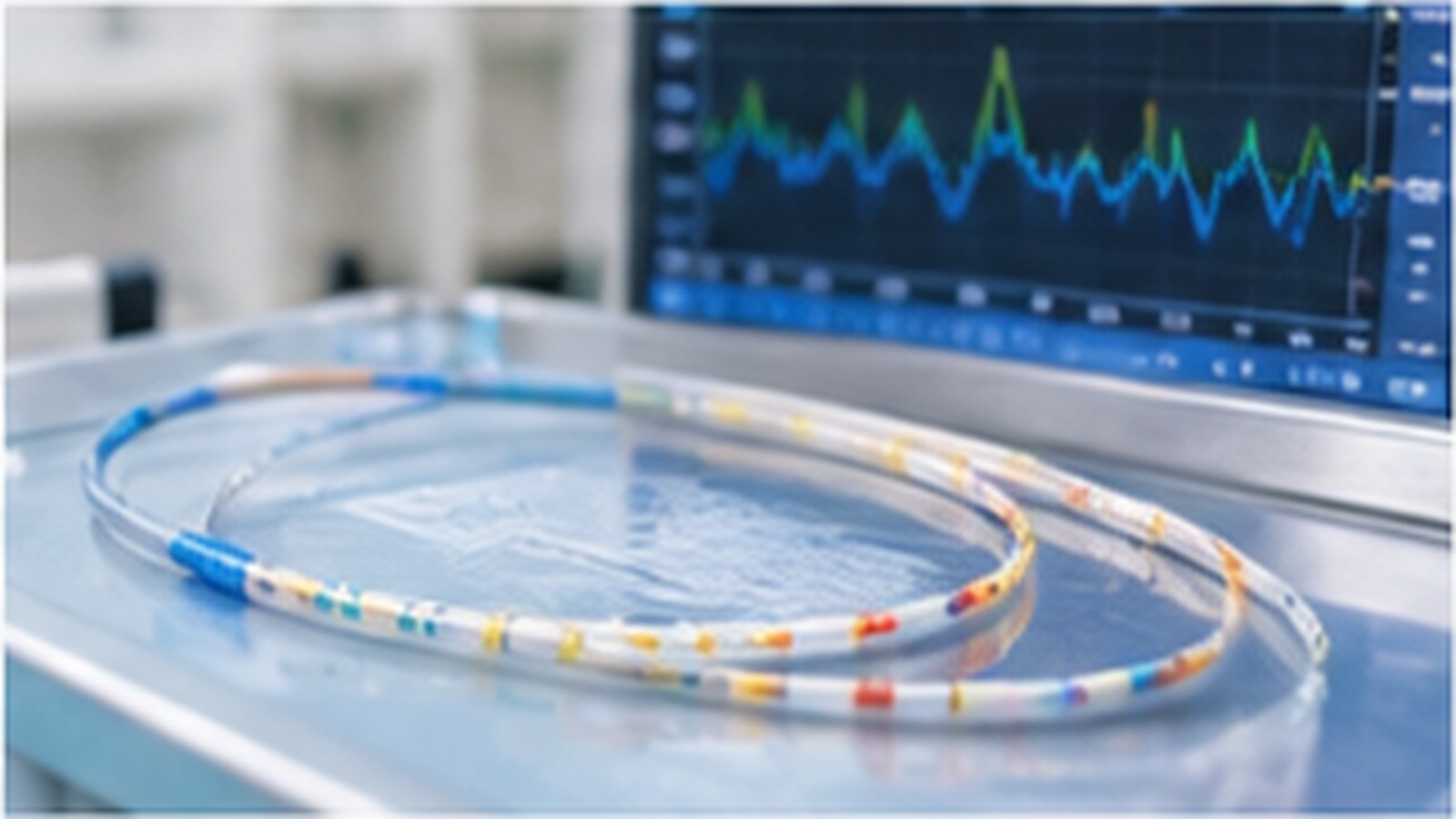
Anorectal manometry measures the pressures and muscle coordination in your rectum and anal sphincter. A small, flexible catheter with a balloon tip is gently inserted into the rectum. It evaluates how well the muscles and nerves work together for normal bowel movements. This is the key test for understanding chronic constipation, fecal incontinence, and pelvic floor disorders.
💡Why might you need it?
This test helps identify the exact cause of constipation or incontinence — whether it's a muscle coordination problem (dyssynergia), weak sphincter, or nerve issue. Knowing the cause allows your doctor to choose the right treatment.
⚙️How does it work?
- A thin catheter with a small balloon is gently placed into the rectum
- You'll be asked to squeeze, push, and relax as if having a bowel movement
- The balloon may be inflated to test rectal sensation thresholds
- The sensors measure muscle pressures and nerve responses in real time
- The test takes about 20–30 minutes and requires no sedation
⏱️Duration
20–30 minutes
📋How to prepare?
- ✓A small enema 1–2 hours before the test
- ✓No fasting required
- ✓Wear comfortable clothing
📝What to expect?
- •The test is mildly uncomfortable but not painful
- •It takes about 20–30 minutes
- •You can go home immediately after and resume normal activities
- •Results guide your treatment plan — often biofeedback therapy
👥Who is it for?
- ✓Long-standing constipation that has not responded to laxatives or fibre
- ✓Straining, a feeling of incomplete emptying or needing to use fingers to pass stool
- ✓Leakage of stool or difficulty controlling gas
- ✓Patients being assessed for pelvic floor problems before biofeedback therapy
🛡️Safety & risks
- •The test is safe and not painful, though it can feel awkward or mildly uncomfortable.
- •Balloon inflation may cause a brief urge to pass stool.
- •It measures how the muscles work and does not show the bowel lining, so other tests may also be needed.
- •Tell your doctor if you have an anal fissure, recent rectal surgery or severe pain, as the test may need to be delayed.
📄Results & next steps
The recordings are analysed after the test and your doctor explains them at your follow-up visit. They show which muscle problem is present, and the result is often followed by biofeedback therapy.
❓Frequently asked questions
What is anorectal manometry?
It is a test that measures the pressure and coordination of the muscles of the rectum and anus using a thin catheter with a small balloon. It helps find the cause of constipation or leakage of stool.
Is anorectal manometry painful?
No, it is not painful, though it may feel uncomfortable or embarrassing. You are awake and no sedation is used, and the test takes about 20–30 minutes.
How do I prepare for anorectal manometry?
You usually use a small enema one to two hours before the test and wear comfortable clothing. No fasting is needed.
What will the test tell my doctor?
It shows whether the sphincter muscles are strong enough, whether they relax and coordinate properly when you push, and how sensitive the rectum is. This lets your doctor choose the right treatment.
Can I go home and resume normal activity afterwards?
Yes. Since there is no sedation, you can go home and carry on with your usual day straight away.