Biofeedback Therapy
Gastroenterology & Pelvic Floor
- ✓ Same-week appointments
- ✓ Performed by consultants
- ★ 300+ reviews on Google Maps
- Meet the team
🔬What is it?
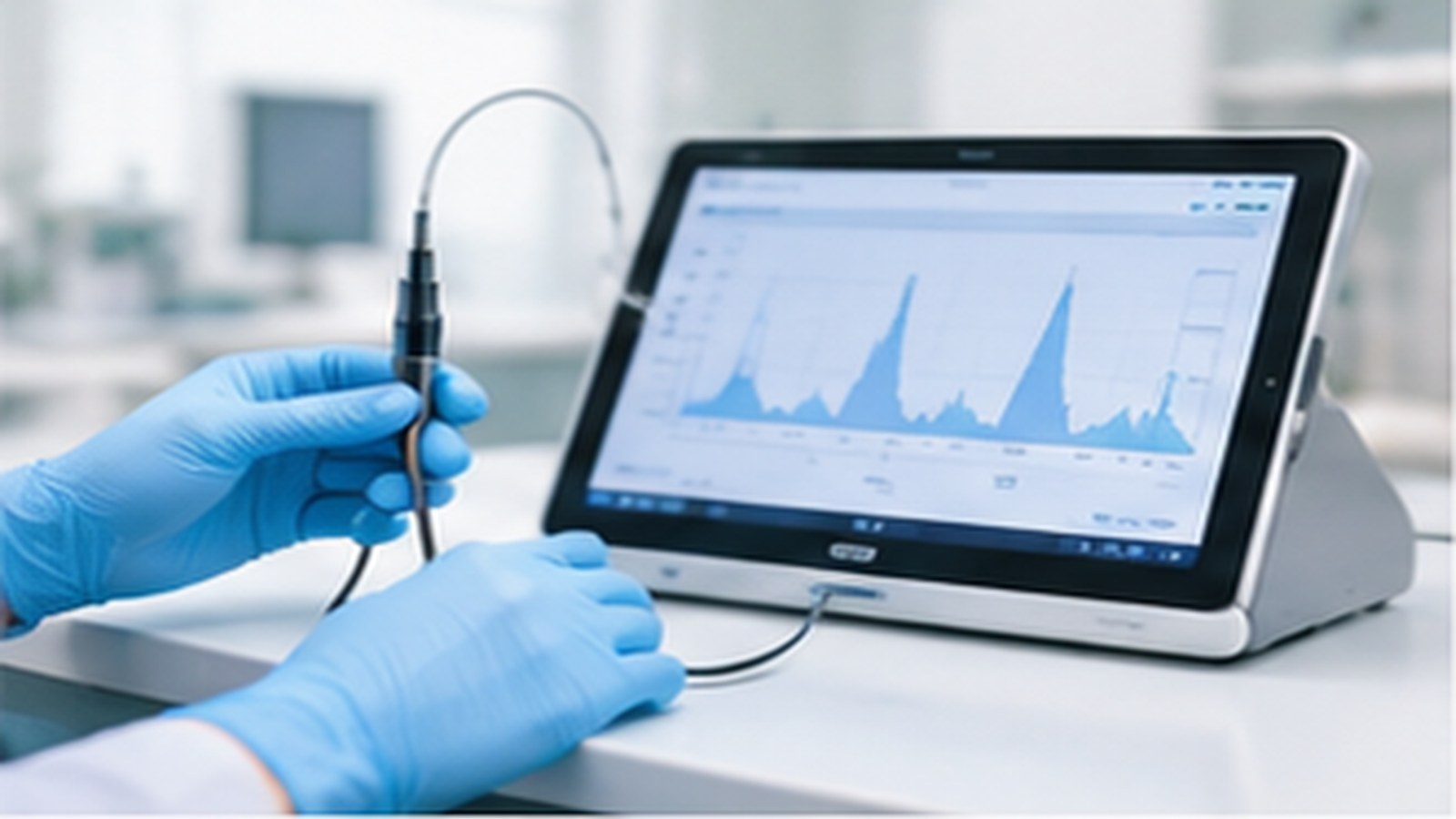
Biofeedback is a non-invasive training technique that teaches you to control the muscles of your pelvic floor. Using a small sensor, you can see your muscle activity on a screen in real time and learn to coordinate them properly. It's like physical therapy for your bowel muscles — and it's one of the most effective treatments for chronic constipation caused by pelvic floor dysfunction and for fecal incontinence.
💡Why might you need it?
Biofeedback is the first-line treatment for dyssynergic defecation (a common cause of chronic constipation where the muscles don't coordinate properly). Studies show it's more effective than laxatives for this condition. The results are long-lasting because you're learning a skill, not just taking medication.
⚙️How does it work?
- A small sensor is placed in the rectum to measure muscle activity
- You watch a screen that displays your muscle contractions and relaxation in real time
- A trained therapist guides you through exercises to retrain your muscles
- Each session lasts about 30–45 minutes
- A typical course is 4–6 sessions over several weeks
⏱️Duration
30–45 minutes per session (4–6 sessions)
📋How to prepare?
- ✓No special preparation needed
- ✓Wear comfortable clothing
- ✓Empty your bladder before the session
📝What to expect?
- •The procedure is not painful — you may feel mild pressure from the sensor
- •You'll actively participate by doing exercises during the session
- •Most patients see improvement after 3–4 sessions
- •You'll also learn exercises to practice at home between sessions
👥Who is it for?
- ✓Chronic constipation caused by the pelvic floor muscles not relaxing or coordinating properly (dyssynergic defecation)
- ✓Straining or a feeling of blockage when trying to pass stool
- ✓Fecal incontinence or leakage that has not improved with simple measures
- ✓People whose anorectal manometry test shows a pelvic floor coordination problem
- ✓Patients who prefer a drug-free, skill-based treatment
🛡️Safety & risks
- •Biofeedback is non-invasive and has very few risks; mild discomfort or muscle tiredness can occur.
- •It needs your active effort and regular home practice between sessions, and benefit depends on this.
- •It does not work for everyone, and it is not meant for constipation that has other causes.
- •Tell your doctor if you have an anal fissure, haemorrhoid flare or recent rectal surgery, as sessions may need to wait.
📄Results & next steps
Improvement is gradual, and many people begin to notice a difference after several sessions. Your therapist reviews your progress at each visit and adjusts the exercises, then your doctor checks the overall response at the end of the course.
❓Frequently asked questions
What is biofeedback therapy for constipation?
It is a training method where a small sensor and a screen show how your pelvic floor and anal muscles work. A therapist helps you learn to relax and coordinate them correctly, which can ease straining and incomplete emptying.
Is biofeedback painful?
No. You may feel mild pressure from the small sensor, but the sessions are not painful and you take an active part by doing guided exercises.
How many biofeedback sessions do I need?
A typical course is about four to six sessions of 30–45 minutes over several weeks. Your therapist will tell you how many suit your condition.
Is biofeedback better than laxatives?
For constipation caused by poor muscle coordination, biofeedback is a recommended first-line treatment and can work better than laxatives, because you learn a skill rather than relying on medicine. Your doctor will confirm the cause first.
Do I need a test before starting biofeedback?
Usually yes. An anorectal manometry test is often done first to confirm that a pelvic floor coordination problem is the cause, so that the treatment is directed at the right problem.