Stomach Ulcers (Peptic Ulcers)
From the هضم DIGEST medical team · GI, liver and endoscopy · Riyadh
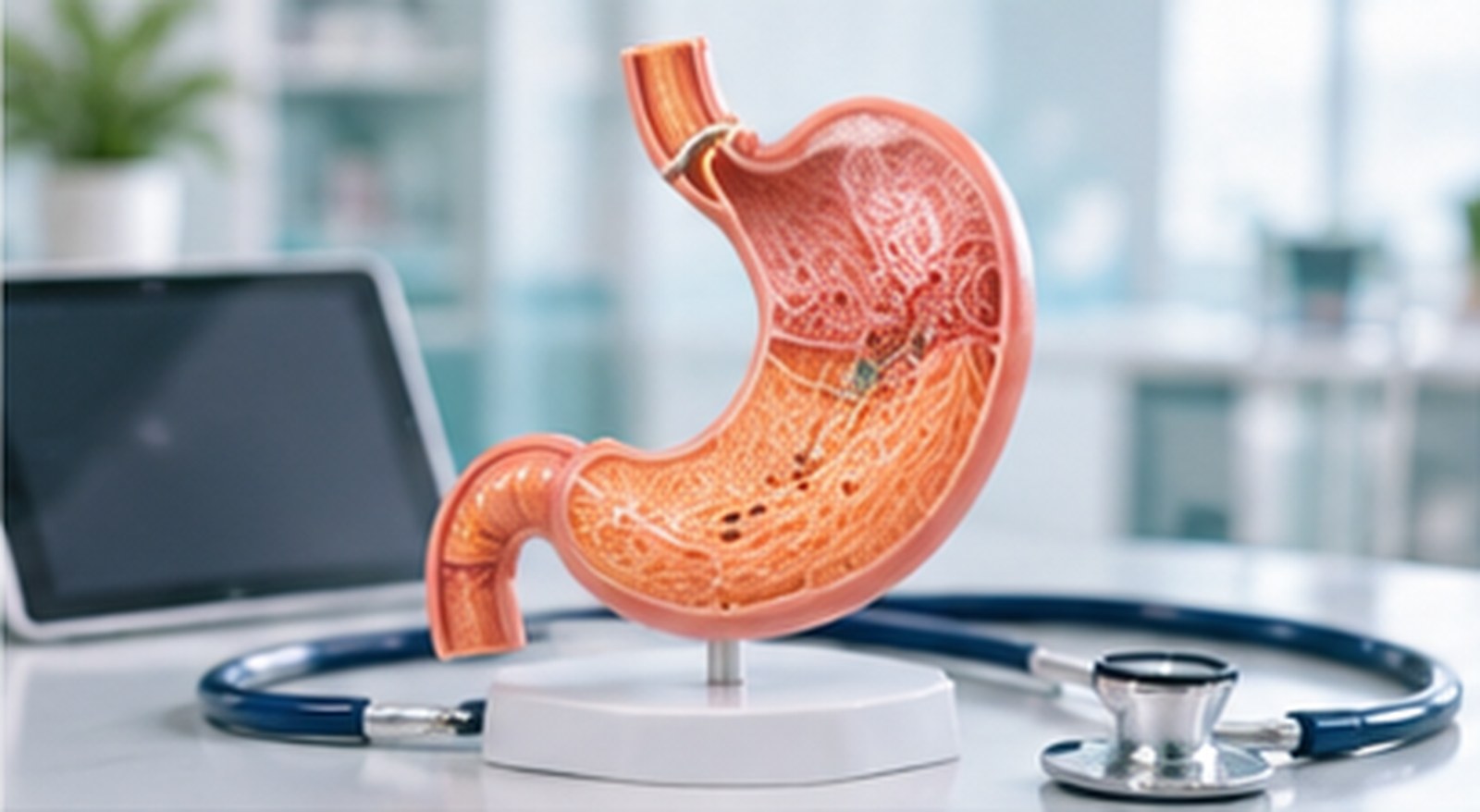
Overview
Stomach ulcers are open sores that develop on the lining of the stomach or the upper part of the small intestine. They occur when the protective mucus layer is reduced, allowing digestive acids to eat away at the tissue. The two most common causes are H. pylori infection and long-term use of NSAIDs (like ibuprofen).
Symptoms
Burning stomach pain (especially on an empty stomach)
Nausea or vomiting
Bloating or feeling full quickly
Heartburn
Dark or bloody stools (sign of bleeding ulcer)
Pain that improves after eating or taking antacids
Common Causes
H. pylori bacterial infection (most common)
Long-term NSAID use (ibuprofen, aspirin)
Excess stomach acid production
Smoking
Stress (worsens but doesn't cause ulcers)
Alcohol
Self-Care Tips
Get tested for H. pylori if you have persistent stomach pain
Avoid NSAIDs or take them with food and stomach-protecting medication
Quit smoking — it slows ulcer healing
Eat regular small meals
Limit spicy foods, caffeine, and alcohol
Take prescribed acid-reducing medication as directed
When to See a Doctor
See a doctor immediately if you vomit blood, notice black/tarry stools, have severe sudden abdominal pain, or feel dizzy/faint — these may indicate a bleeding or perforated ulcer.
How stomach and duodenal ulcers are diagnosed
An upper endoscopy is the most direct test: the doctor sees the ulcer, can take a biopsy to exclude cancer when a stomach ulcer is found, and can test for Helicobacter pylori. Tests for H. pylori can also be done on a stool sample or a breath test. Blood tests check for anemia from slow bleeding. Your doctor will also ask about pain relievers such as ibuprofen and aspirin, because these are a major cause of ulcers.
Treatment and healing
Most ulcers heal with treatment. Acid-reducing medicines, usually proton pump inhibitors, allow healing over weeks. If H. pylori is found, a course of combined antibiotics with acid suppression removes the infection and sharply lowers the chance of the ulcer returning. Stopping or replacing the anti-inflammatory pain relievers that caused it, and stopping smoking, are equally important. Your doctor may repeat testing to confirm the infection has cleared.
Warning signs of a bleeding or perforated ulcer
Go to emergency care for vomiting blood or material that looks like coffee grounds, black tarry stools, fainting or dizziness, or sudden severe stomach pain that does not ease. These can mean the ulcer is bleeding or has perforated and need urgent treatment, often with endoscopy.
Frequently Asked Questions
What are the symptoms of a stomach ulcer?
What causes stomach ulcers?
How long does a stomach ulcer take to heal?
Can a stomach ulcer turn into cancer?
Which foods should I avoid with a stomach ulcer?
When is a stomach ulcer an emergency?
Share this with someone who needs it:
Have questions or need a consultation?
Our GI specialists are ready to help you
Same-week appointments · WhatsApp replies during working hours
Related Articles
H. pylori Infection
Helicobacter pylori (H. pylori) is a spiral-shaped bacterium that infects the stomach lining of about half of the world's population — and is especially common in Saudi Arabia and the wider Middle East. Most people have no symptoms, but in others it causes chronic gastritis, peptic ulcers, and a small but real increase in the risk of stomach cancer. The good news: it can almost always be cured with a 10–14 day course of antibiotics combined with acid-suppressing medication.
Heartburn & Acid Reflux
Heartburn is a burning feeling in your chest, behind the breastbone. It happens when stomach acid flows back up into your esophagus (food pipe). Occasional heartburn is common, but frequent heartburn (more than twice a week) may be a sign of GERD (gastroesophageal reflux disease).
Nausea & Vomiting
Nausea is that queasy, unsettled feeling in your stomach that makes you feel like you might vomit. It's not a disease itself but a symptom of many conditions. Most episodes are temporary and harmless, but persistent or severe nausea needs evaluation to find the underlying cause.