Nausea & Vomiting
From the هضم DIGEST medical team · GI, liver and endoscopy · Riyadh
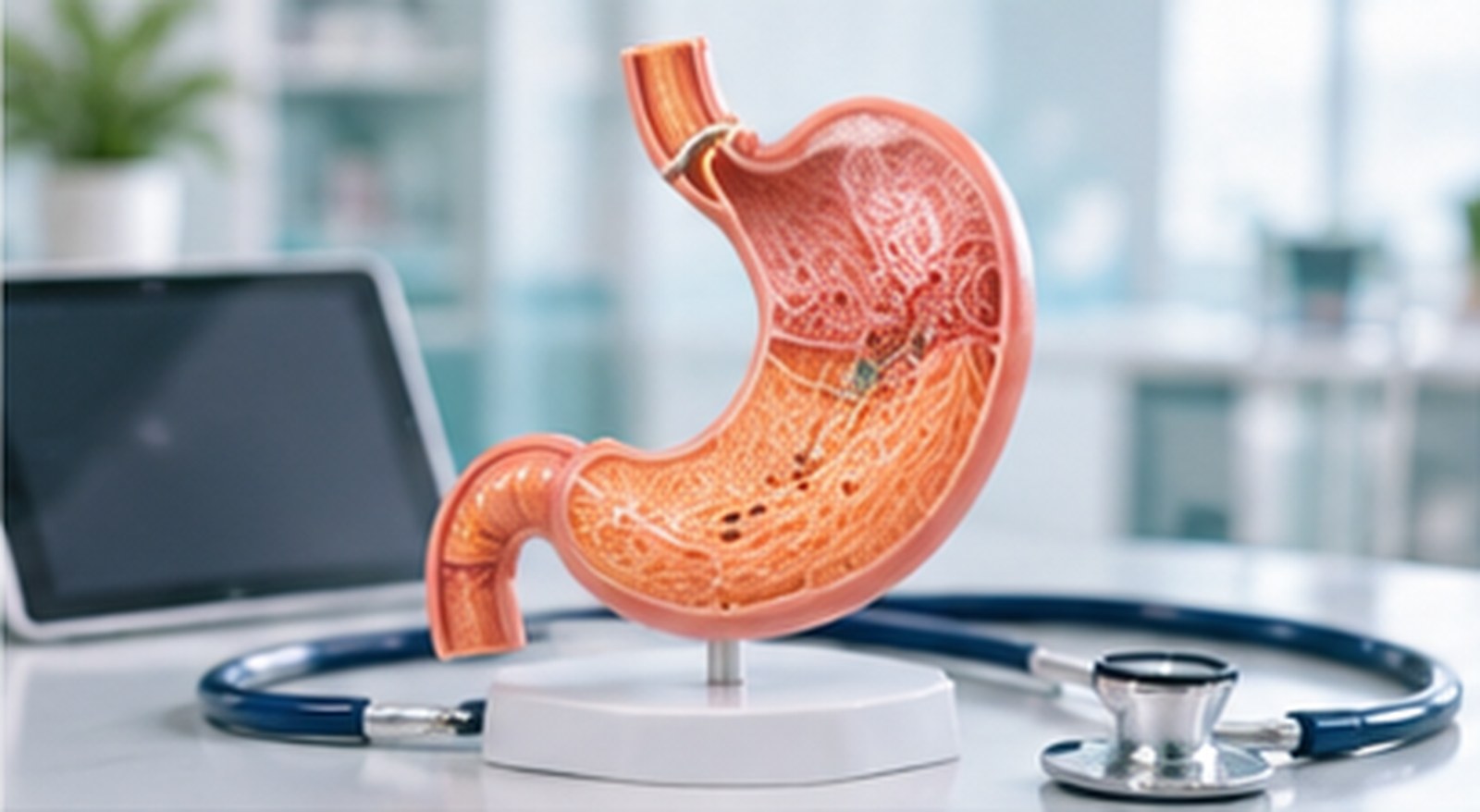
Overview
Nausea is that queasy, unsettled feeling in your stomach that makes you feel like you might vomit. It's not a disease itself but a symptom of many conditions. Most episodes are temporary and harmless, but persistent or severe nausea needs evaluation to find the underlying cause.
Symptoms
Queasy feeling in the stomach
Excessive salivation
Cold sweat
Loss of appetite
Dry heaving
Dizziness
Common Causes
Gastritis or acid reflux
Food poisoning or viral gastroenteritis
Medications (antibiotics, NSAIDs)
Motion sickness
Pregnancy
Gastroparesis (slow stomach emptying)
Self-Care Tips
Sip clear fluids slowly (water, ginger tea, broth)
Eat small, bland meals — avoid heavy or greasy food
Try ginger — natural anti-nausea remedy
Avoid strong smells
Sit upright after eating — don't lie down
Fresh air can help — step outside or open a window
When to See a Doctor
See a doctor if vomiting lasts more than 24 hours, you can't keep fluids down, there's blood in the vomit, you have severe abdominal pain, or signs of dehydration.
Common causes of nausea and how it is evaluated
Nausea has many causes outside the gut, including infections, medicines, migraine, pregnancy, inner-ear problems and anxiety. Gut-related causes include gastroenteritis, acid reflux, gastritis or ulcers, delayed stomach emptying (gastroparesis), gallstones and constipation. The doctor asks about timing, vomiting, medicines, weight loss and pain, and may arrange blood tests, an ultrasound or an upper endoscopy when symptoms are persistent or there are warning signs.
Treating nausea
Small, frequent, light meals, sipping fluids and avoiding strong smells and greasy food often help. Ginger can ease nausea for some people. Anti-nausea medicines may be used for a short time, but the key is treating the underlying cause. Persistent vomiting needs medical review to prevent dehydration.
When nausea is serious
Get urgent care for vomiting blood or black material, severe abdominal pain, a stiff neck with fever, chest pain, confusion, or signs of dehydration. See a doctor if nausea lasts more than a week or comes with weight loss or trouble swallowing.
Frequently Asked Questions
What causes constant nausea?
How can I stop nausea quickly?
Why do I feel nauseous after eating?
When should I worry about nausea and vomiting?
Can nausea come from the stomach even without pain?
Share this with someone who needs it:
Have questions or need a consultation?
Our GI specialists are ready to help you
Same-week appointments · WhatsApp replies during working hours
Related Articles
Stomach Ulcers (Peptic Ulcers)
Stomach ulcers are open sores that develop on the lining of the stomach or the upper part of the small intestine. They occur when the protective mucus layer is reduced, allowing digestive acids to eat away at the tissue. The two most common causes are H. pylori infection and long-term use of NSAIDs (like ibuprofen).
Gallstones
Gallstones are hard deposits that form in your gallbladder — a small organ under your liver that stores bile. They range from the size of a grain of sand to a golf ball. Many people have gallstones with no symptoms ("silent stones"), but when a stone blocks a bile duct, it causes sudden, intense pain called a gallbladder attack.
H. pylori Infection
Helicobacter pylori (H. pylori) is a spiral-shaped bacterium that infects the stomach lining of about half of the world's population — and is especially common in Saudi Arabia and the wider Middle East. Most people have no symptoms, but in others it causes chronic gastritis, peptic ulcers, and a small but real increase in the risk of stomach cancer. The good news: it can almost always be cured with a 10–14 day course of antibiotics combined with acid-suppressing medication.