Gastroparesis (Delayed Gastric Emptying)
From the هضم DIGEST medical team · GI, liver and endoscopy · Riyadh
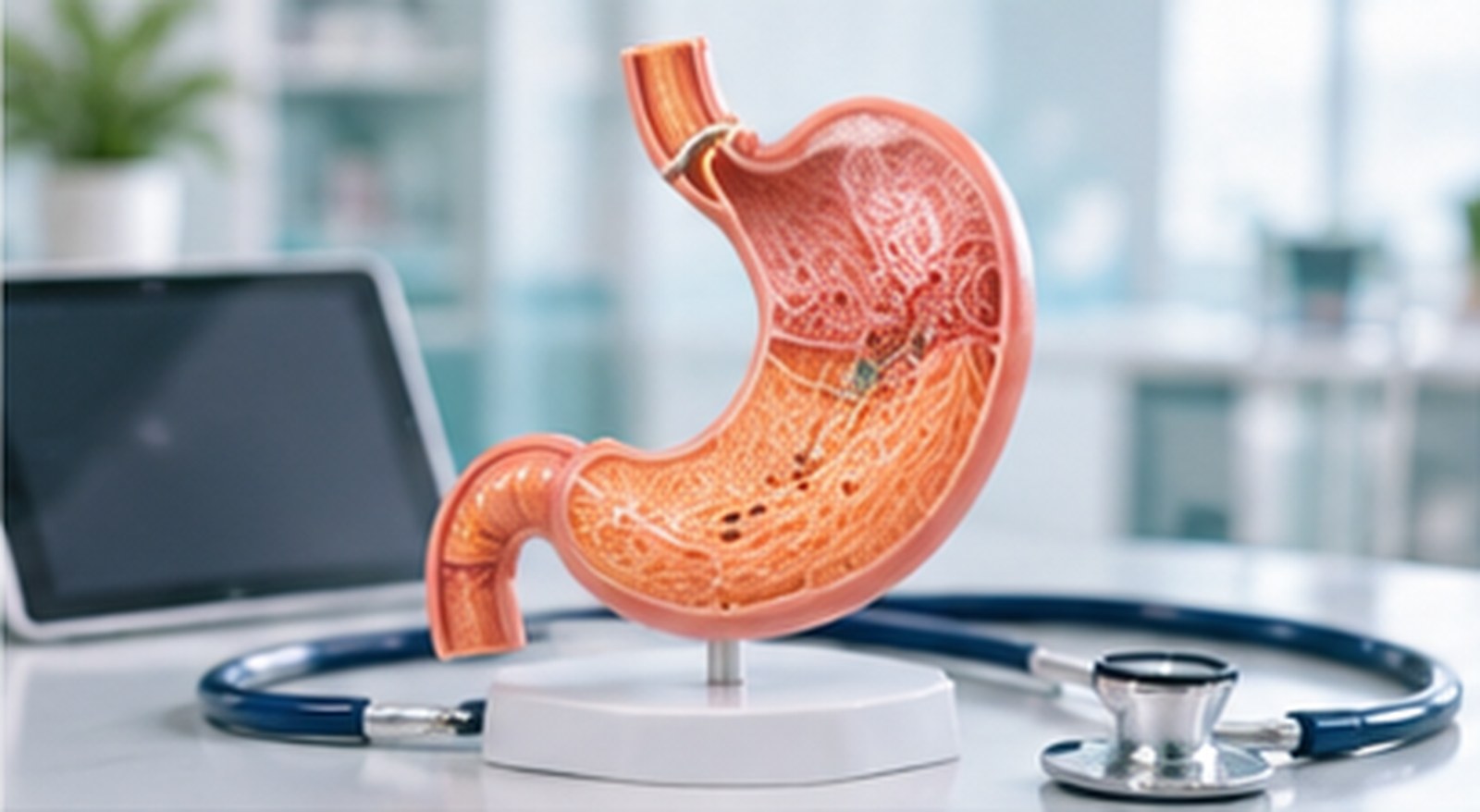
Overview
Gastroparesis means the stomach takes much longer than normal to empty its contents into the small intestine — without any physical blockage. It is most commonly caused by diabetes, but can also follow viral illness or stomach surgery. Symptoms are chronic and can significantly impact quality of life and nutrition.
Symptoms
Feeling full quickly after eating small amounts
Nausea and vomiting of undigested food
Abdominal bloating and pain
Heartburn and reflux
Fluctuating blood sugar levels (in diabetics)
Unintended weight loss and malnutrition
Common Causes
Diabetes mellitus (most common cause)
Post-viral gastroparesis (e.g. after COVID-19)
Previous stomach or esophagus surgery
Medications (opioids, anticholinergics)
Parkinson's disease or multiple sclerosis
Idiopathic (no identifiable cause)
Self-Care Tips
Eat 4–6 small, low-fat, low-fiber meals throughout the day
Chew food thoroughly and eat slowly
Drink fluids between meals rather than with meals
Avoid lying down for at least 2 hours after eating
Blend or puree foods if solid meals are hard to tolerate
Keep a symptom diary to identify triggers
When to See a Doctor
See a doctor if you are losing weight, vomiting frequently, or your blood sugar is poorly controlled. Gastroparesis is diagnosed by a gastric emptying study and requires specialist management.
How gastroparesis is diagnosed
Gastroparesis means the stomach empties too slowly even though nothing is blocking it. Doctors first exclude a blockage or ulcer with an upper endoscopy or imaging, and review medicines that slow the stomach, such as some pain medicines. The key test is a gastric emptying study, in which you eat a small meal containing a harmless marker and scans measure how much remains in the stomach after a few hours. Blood sugar, thyroid and other tests look for causes such as diabetes.
Treatment and eating with gastroparesis
Controlling blood sugar in people with diabetes is central. Eating small, frequent, low-fat, low-fiber meals, chewing well, and choosing softer or liquid foods when symptoms flare helps many people. Medicines that help the stomach empty and medicines that reduce nausea and vomiting can be used under a doctor's supervision. For severe disease, options include endoscopic procedures on the pylorus, feeding through a tube, or a gastric electrical stimulator, decided by a specialist team.
When to seek urgent care
Seek care promptly for persistent vomiting that stops you keeping fluids down, signs of dehydration, severe abdominal pain, weight loss, or very high or low blood sugar in people with diabetes.
Frequently Asked Questions
What are the symptoms of gastroparesis?
What causes gastroparesis?
How is gastroparesis diagnosed?
What should I eat with gastroparesis?
Can gastroparesis be cured?
Share this with someone who needs it:
Have questions or need a consultation?
Our GI specialists are ready to help you
Same-week appointments · WhatsApp replies during working hours