Eosinophilic Esophagitis (EoE)
From the هضم DIGEST medical team · GI, liver and endoscopy · Riyadh
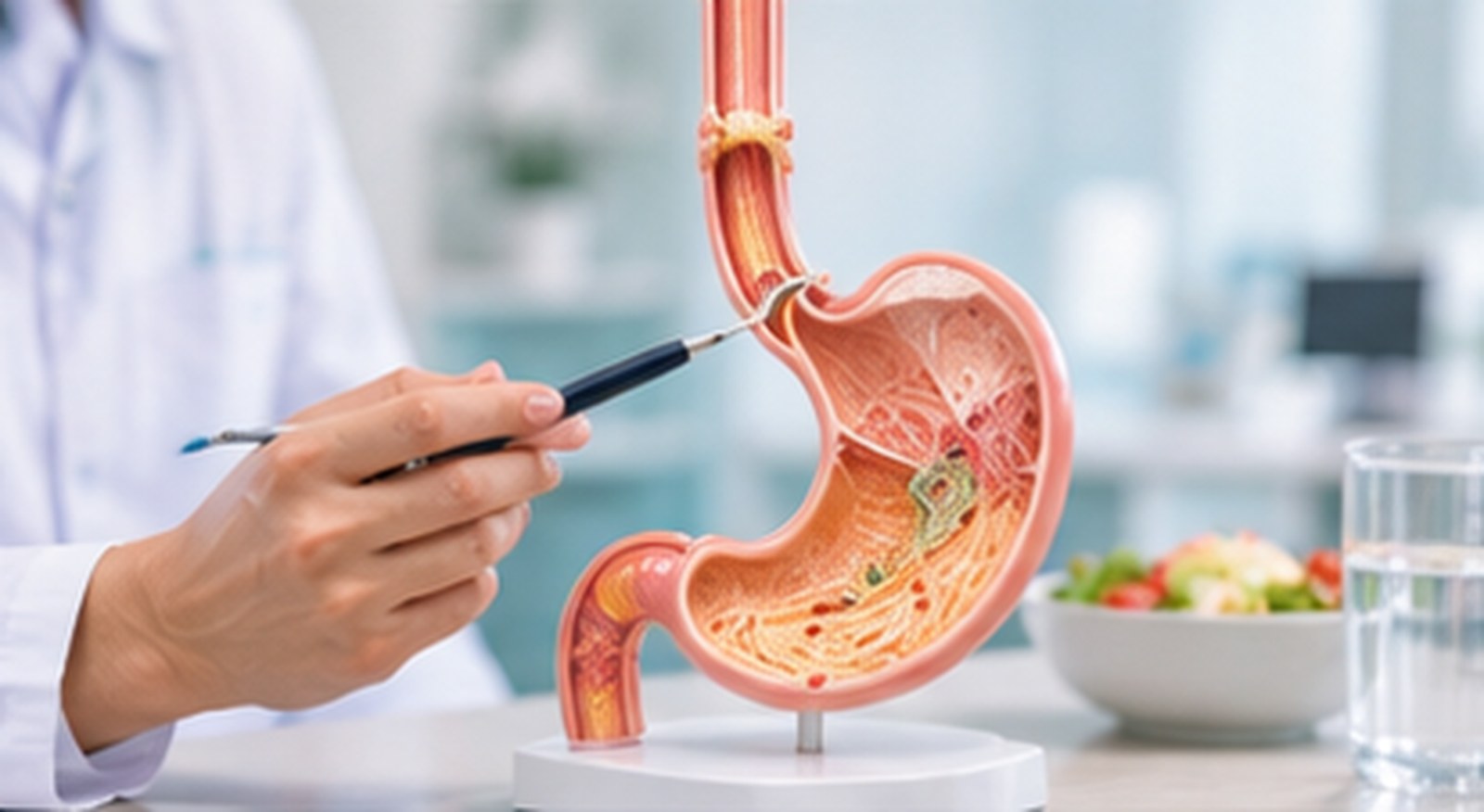
Overview
Eosinophilic esophagitis (EoE) is a chronic immune-mediated disease where a type of white blood cell (eosinophil) builds up in the esophagus, causing inflammation. It is triggered by food allergens and/or environmental allergens. EoE can affect children and adults, often causing difficulty swallowing and food getting stuck.
Symptoms
Difficulty swallowing (dysphagia)
Food getting stuck in the throat
Chest pain not related to the heart
Heartburn not responding to acid medication
Vomiting (especially in children)
Failure to thrive or poor growth (children)
Common Causes
Food allergens: milk, wheat, eggs, soy, nuts, seafood
Environmental allergens (pollen, dust mites)
Genetic predisposition
Associated with atopic conditions (asthma, eczema, allergic rhinitis)
Self-Care Tips
Work with a dietitian to identify and eliminate trigger foods
Consider an empiric 6-food elimination diet (milk, wheat, egg, soy, nuts, seafood)
Take prescribed topical steroids (swallowed fluticasone or budesonide)
Control GERD with PPIs — many patients have both
Use a straw or sip water with meals if swallowing is difficult
Attend regular endoscopic follow-up as instructed
When to See a Doctor
See a gastroenterologist if you frequently have food stuck in your throat or chest, or if heartburn isn't improving with standard antacids. EoE is diagnosed by endoscopy and biopsy — do not attempt a restrictive diet without medical guidance.
How eosinophilic esophagitis is diagnosed
Eosinophilic esophagitis (EoE) is a chronic allergic-type inflammation of the esophagus in which white blood cells called eosinophils collect in the lining. It cannot be diagnosed from symptoms alone. The key test is an upper endoscopy with biopsies from the esophagus, where the pathologist counts eosinophils under the microscope. The doctor may also see rings, furrows, white spots or narrowing at endoscopy, although the lining can look normal.
Typical symptoms are difficulty swallowing solid food, food getting stuck, needing to drink a lot to swallow, and heartburn-like discomfort that does not respond well to acid-reducing tablets. Children may instead have feeding difficulty, vomiting or poor weight gain.
Treatment: medicines, diet and dilation
Treatment aims to control the inflammation and keep swallowing comfortable, because untreated EoE can slowly scar and narrow the esophagus. The main options are a proton pump inhibitor trial, swallowed (topical) steroids that coat the esophagus, an elimination diet that removes common trigger foods such as milk, wheat, egg and soy and then reintroduces them one at a time, and, for some people, a biologic medicine such as dupilumab. If the esophagus has already narrowed, a gentle endoscopic dilation can widen it.
EoE is long-term, so treatment is usually continued and follow-up endoscopy is repeated to check that the inflammation is controlled. If food ever gets stuck and you cannot swallow your saliva, go to the emergency department.
Frequently Asked Questions
What is eosinophilic esophagitis?
What are the symptoms of eosinophilic esophagitis?
How do you test for eosinophilic esophagitis?
Can eosinophilic esophagitis be cured?
Which foods trigger eosinophilic esophagitis?
Share this with someone who needs it:
Have questions or need a consultation?
Our GI specialists are ready to help you
Same-week appointments · WhatsApp replies during working hours