SIBO (Small Intestinal Bacterial Overgrowth)
From the هضم DIGEST medical team · GI, liver and endoscopy · Riyadh
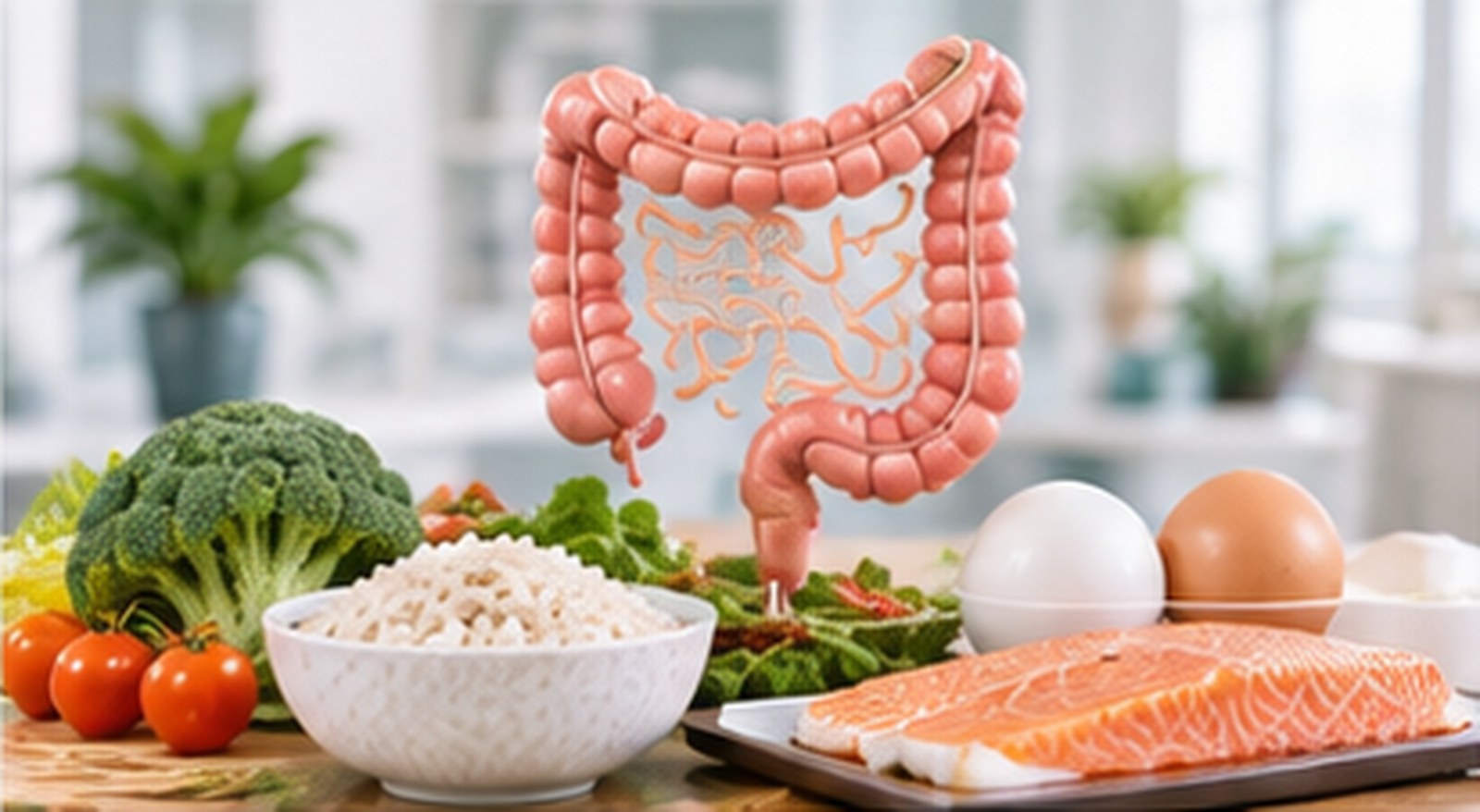
Overview
SIBO occurs when bacteria that normally live in the large intestine colonize the small intestine in excessive numbers. This interferes with normal digestion and nutrient absorption. SIBO is increasingly recognized as an underlying cause of IBS-like symptoms and nutritional deficiencies.
Symptoms
Bloating and abdominal distension
Excessive gas and flatulence
Diarrhea or alternating diarrhea and constipation
Abdominal cramps
Deficiencies of B12, iron, or fat-soluble vitamins (A, D, E, K)
Unexplained weight loss
Common Causes
Slow intestinal motility (gastroparesis, hypothyroidism)
Structural abnormalities (adhesions, diverticula)
Low stomach acid (proton-pump inhibitor use)
Immune deficiency
Prior intestinal surgery
Celiac disease or Crohn's disease
Self-Care Tips
Take the full course of prescribed antibiotics (rifaximin is commonly used)
Address the underlying cause — treat motility disorders or structural issues
Follow a low-FODMAP or specific carbohydrate diet during treatment
Correct nutritional deficiencies with appropriate supplements
Probiotics may help maintain remission — discuss with your doctor
Minimize long-term PPI use if not medically necessary
When to See a Doctor
SIBO can mimic IBS exactly — if you've been told you have IBS but respond poorly to standard treatment, ask about SIBO breath testing. Treatment requires prescription antibiotics and management of the underlying cause.
How SIBO is diagnosed
SIBO means too many bacteria in the small intestine, which can cause bloating, gas, diarrhea, abdominal pain and sometimes poor absorption. It is most often tested with a hydrogen and methane breath test after drinking a sugar solution, although these tests have limits and need to be interpreted by a doctor with the whole picture. Doctors also look for the reason it developed, such as slow gut movement, previous abdominal surgery, diverticula, or conditions like diabetes and celiac disease.
Treatment and preventing recurrence
Treatment usually uses a course of an antibiotic that acts mainly in the gut, chosen by your doctor, together with correcting any nutritional deficiencies. Treating the underlying cause is important, because SIBO can return when the cause remains. Diet changes may ease symptoms but are not a long-term fix on their own. Avoid repeated courses of antibiotics without a clear diagnosis.
Frequently Asked Questions
What are the symptoms of SIBO?
How is SIBO tested?
Can SIBO be treated permanently?
Is SIBO the same as irritable bowel syndrome?
What causes SIBO?
Share this with someone who needs it:
Have questions or need a consultation?
Our GI specialists are ready to help you
Same-week appointments · WhatsApp replies during working hours