Microscopic Colitis
From the هضم DIGEST medical team · GI, liver and endoscopy · Riyadh
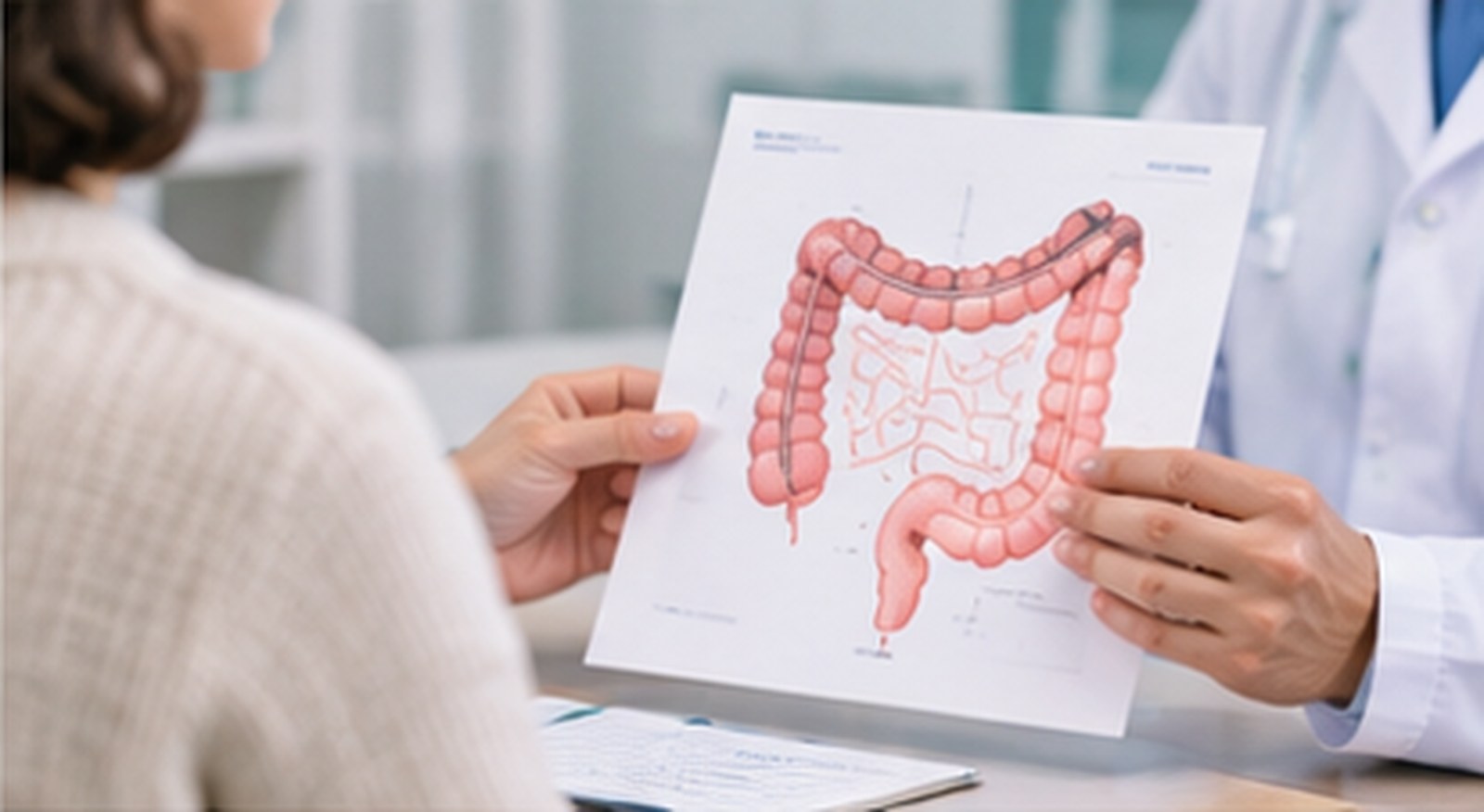
Overview
Microscopic colitis is a common but under-recognised cause of chronic, watery, non-bloody diarrhoea, particularly in middle-aged and older adults. Despite causing significant symptoms, the colon appears completely normal on colonoscopy — the diagnosis is made only on microscopic examination of mucosal biopsies. There are two histological subtypes: collagenous colitis (characterised by a thickened subepithelial collagen band) and lymphocytic colitis (excess intraepithelial lymphocytes). It is strongly associated with NSAID use, proton-pump inhibitors (particularly lansoprazole), and certain antidepressants. Budesonide is the most effective treatment.
Symptoms
Chronic watery, non-bloody diarrhoea — often 5 to 15 loose stools per day
Nocturnal diarrhoea (waking from sleep to have diarrhoea — an important alarm feature)
Faecal urgency and, occasionally, incontinence
Abdominal cramping and bloating
Fatigue and unintentional weight loss during active disease
Common Causes
NSAIDs (aspirin, ibuprofen, naproxen, diclofenac) — one of the strongest modifiable risk factors
Proton-pump inhibitors, particularly lansoprazole and omeprazole
Certain antidepressants (SSRIs: sertraline, paroxetine; SNRIs)
Autoimmune tendency — frequently co-exists with coeliac disease, thyroid disease, and rheumatoid arthritis
Smoking — increases risk and worsens disease course
Self-Care Tips
Stop all NSAIDs and review every current medication with your doctor — removing the causative drug alone can lead to full remission
Avoid caffeine, alcohol, and high-fat foods which worsen diarrhoea during active disease
Stay well hydrated — chronic watery diarrhoea causes significant fluid and electrolyte loss
Budesonide (a topical oral corticosteroid) is the evidence-based first-line treatment — take as prescribed for the full course (usually 6–8 weeks)
Maintain a follow-up schedule — microscopic colitis can relapse and some patients require long-term low-dose maintenance therapy
Get tested for coeliac disease if not already done — it co-exists in approximately 10% of microscopic colitis patients
When to See a Doctor
Any chronic watery diarrhoea lasting more than 4 weeks warrants colonoscopy with biopsies taken from multiple segments even if the bowel looks normal — the diagnosis of microscopic colitis cannot be made without biopsy. Nocturnal diarrhoea, significant weight loss, or dehydration should prompt urgent assessment.
How microscopic colitis is diagnosed
Microscopic colitis causes chronic watery diarrhea, often without blood and sometimes with night-time symptoms and weight loss. The colon looks normal or almost normal at colonoscopy, so the diagnosis depends on taking biopsies from the lining, which show inflammation under the microscope. It is more common in middle-aged and older adults, particularly women, and some medicines are linked to it. Blood and stool tests are used to exclude other causes.
Treatment and outlook
Treatment starts by reviewing medicines that might be triggering it and stopping smoking. A steroid acting mainly in the gut, budesonide, is the best-studied treatment and usually controls symptoms well, although diarrhea can return after stopping, and some people need longer or repeated treatment. Your gastroenterologist will choose the plan. It is not linked to an increased risk of colon cancer.
Frequently Asked Questions
What is microscopic colitis?
Can microscopic colitis be seen on colonoscopy?
What causes microscopic colitis?
Is microscopic colitis serious or does it cause colon cancer?
Can microscopic colitis come back after treatment?
Share this with someone who needs it:
Have questions or need a consultation?
Our GI specialists are ready to help you
Same-week appointments · WhatsApp replies during working hours